
Top Stories
Egg Prices Drop 42% as Avian Flu Threat Eases, Experts Warn of Risks

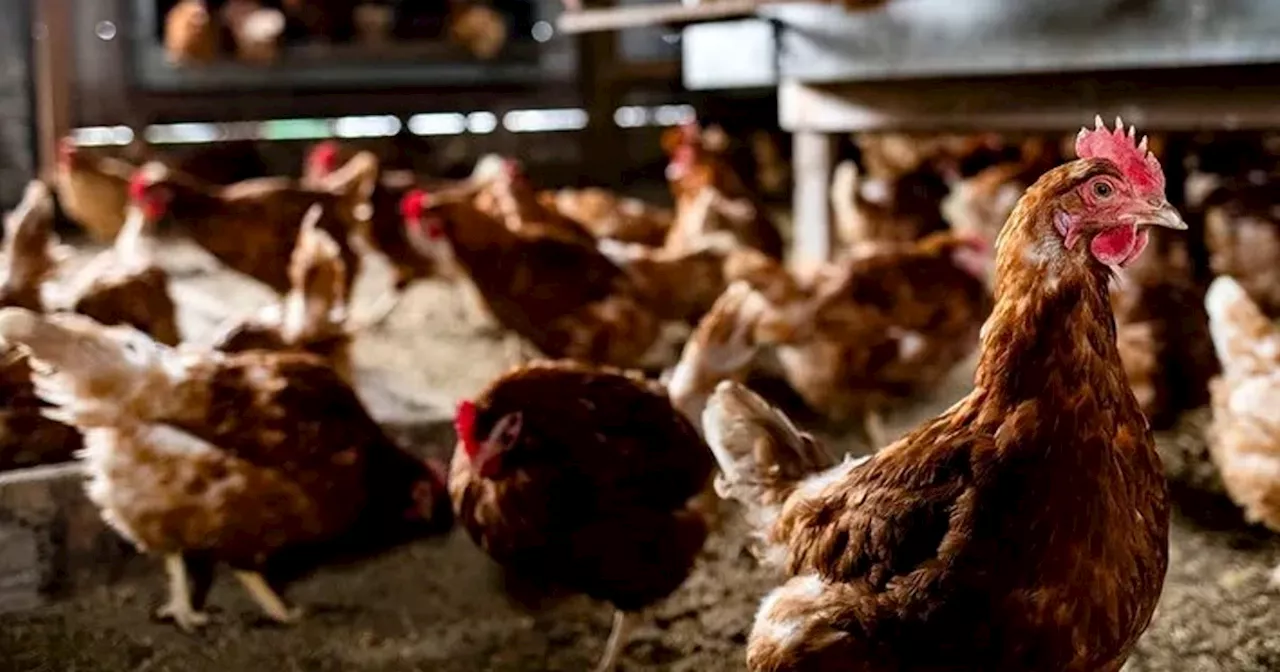
Egg prices have plunged dramatically over the past year, falling by 42.1% from February 2024 levels as the market stabilizes following the significant avian flu outbreak that began in 2022. According to the Bureau of Labor Statistics, prices dropped 3.8% in February 2025 alone, marking a notable recovery in the egg market. Despite the current decrease, experts caution that the potential for renewed outbreaks of avian influenza could lead to price volatility in the coming months.
The avian flu crisis has been a rollercoaster for the U.S. egg industry, according to Bernt Nelson, an economist with the American Farm Bureau Federation. Since the outbreak, detections have fluctuated widely, impacting millions of birds at various times. “We’ve had times when the laying flock was damaged enough to really drive prices higher,” Nelson explained. For example, a dozen eggs reached a peak price of $6.22 in March 2025, but have since fallen to approximately $2.50.
Market Recovery and Government Response
As of December 2025, egg prices are reported to be about 12% below the five-year average, indicating a recovery from previous price shocks related to avian flu. The U.S. Department of Agriculture (USDA) has enhanced its detection and mitigation initiatives, which have played a critical role in stabilizing the market. Nelson highlighted that the USDA now provides free wildlife assessments to egg farmers, aimed at improving biosecurity measures on farms.
“USDA has made some dramatic improvements in the last year,” he stated. These assessments help farmers identify potential vulnerabilities, such as ways that wild birds might infiltrate egg production facilities. While these programs are beneficial, the responsibility ultimately lies with farmers to implement necessary changes to secure their operations.
The slowdown in avian flu cases over the last six months has allowed egg production to increase, enabling prices to dip below pre-outbreak levels. Nevertheless, ongoing monitoring has revealed a concerningly high viral load among wild migratory birds, which poses a threat to the egg and poultry industries. The USDA has detected approximately 14 million birds affected in the last 30 days, with four million of these detections occurring in March 2025 alone.
Potential Risks Ahead
Nelson warned that if avian influenza continues to impact significant numbers of birds, it could disrupt supply chains once more, pushing prices back up. He noted that a single detection at a large farm can rapidly affect the availability of eggs, creating uncertainty for consumers and producers alike.
The emotional and financial toll on farmers during such outbreaks can be significant. While USDA indemnity programs provide some compensation for cleanup costs, they do not cover the production stoppages that can last for months. “When the farmers’ flocks are impacted, it can be devastating,” Nelson remarked.
Overall, while the recent drop in egg prices offers relief to consumers, the industry remains cautious as the threat of avian flu lingers. The situation underscores the importance of ongoing monitoring and proactive measures to ensure the stability of egg supplies in the future.

Robinhood Stock Surges 2.5% in Early Trading on March 17

Israel Intensifies Strikes as Global Energy Crisis Looms

CALV Offers Class on Communication Skills for Real Estate Professionals

Historic Bideford Pub Reopens as The Patch Wine Bar & Kitchen

Oscar Night Celebrations: Winners, Guests, and Exclusive After-Parties

Samsung Galaxy Watch 9 Set for Larger Battery Boost, Report Reveals

Kibble vs. Fresh Dog Food: What’s Best for Your Dog’s Health?

Acclaimed San Francisco Pizzeria Del Popolo to Close in May

‘Invincible’ Season 4 Launches on Prime Video with Epic Action

ALMA Discovers Companion Orbiting Giant Red Star π 1 Gruis

Doctoral Candidate Trivanni Yadav Advances Battery Research at UTulsa

Global Air Forces Ranked by Annual Defense Budgets in 2025

Rev. Bry Shields to Retire as McGill-Toolen President in 2026

Mass Production of F-35 Fighter Jet Drives Down Costs

DirecTV to Launch AI-Driven Ads with User Likenesses in 2026

Gold Investment Surge: Top Mutual Funds and ETF Alternatives

Tucson Celebrates Life and Remembrance at 36th Annual All Souls Procession

New ‘Star Trek: Voyager’ Game Demo Released, Players Test Limits
-
 Science8 months ago
ALMA Discovers Companion Orbiting Giant Red Star π 1 Gruis
-
 Science8 months ago
Doctoral Candidate Trivanni Yadav Advances Battery Research at UTulsa
-
 World9 months ago
Global Air Forces Ranked by Annual Defense Budgets in 2025
-
 Lifestyle9 months ago
Rev. Bry Shields to Retire as McGill-Toolen President in 2026
-
 World9 months ago
Mass Production of F-35 Fighter Jet Drives Down Costs
-
 Top Stories9 months ago
DirecTV to Launch AI-Driven Ads with User Likenesses in 2026
-
 Business9 months ago
Gold Investment Surge: Top Mutual Funds and ETF Alternatives
-
 Lifestyle8 months ago
Tucson Celebrates Life and Remembrance at 36th Annual All Souls Procession
-
 Top Stories9 months ago
New ‘Star Trek: Voyager’ Game Demo Released, Players Test Limits
-

 Entertainment9 months ago
Paul Giamatti Reveals Villainous Role in Star Trek: Starfleet Academy
-

 Entertainment9 months ago
Freeport Art Gallery Transforms Waste into Creative Masterpieces
-

 Science9 months ago
NTSB Report Reveals Hull Damage Caused Titan Submersible Implosion