
World
Ayatollah Khamenei Killed in U.S.-Israel Strikes, Conflict Escalates

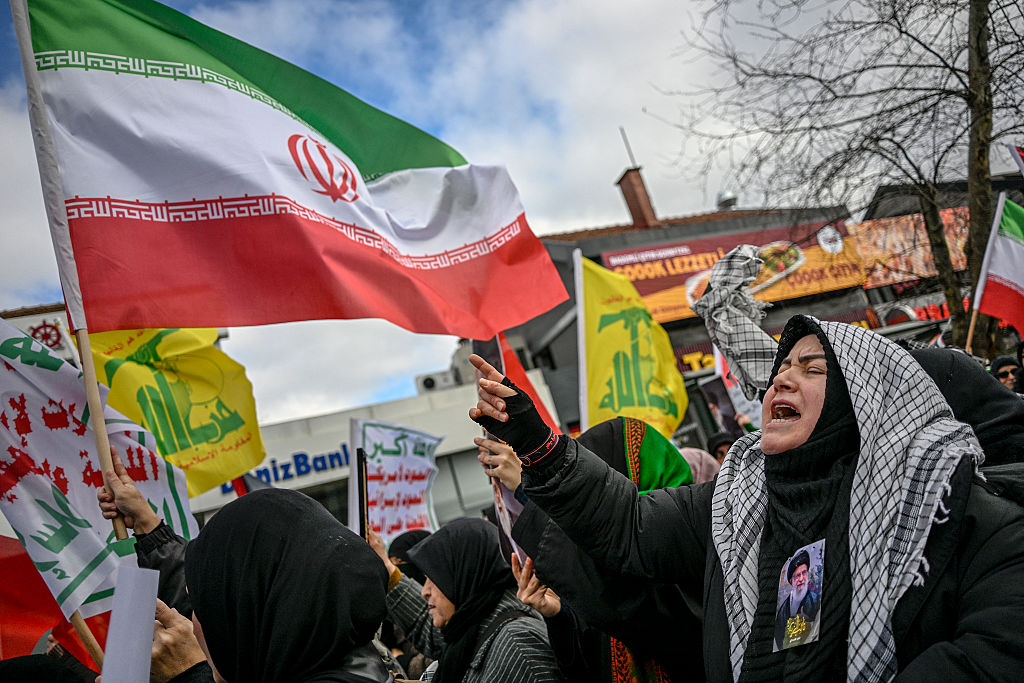
The death of Iran’s Supreme Leader, Ayatollah Ali Khamenei, has been confirmed following coordinated military strikes by the United States and Israel. This development marks a significant escalation in the ongoing conflict that erupted on February 28, 2026. Khamenei, who had led the Islamic Republic since 1989, was a pivotal figure in centralizing power and directing Iran’s confrontational stance towards both Israel and the United States.
In the wake of Khamenei’s death and the loss of several senior Iranian commanders, uncertainty looms over Iran’s political and military leadership. No immediate successor has been announced, raising concerns about potential retaliatory actions. The strikes are part of a broader campaign targeting Iran’s leadership and military infrastructure, leading to a rapid escalation of military operations.
Continued Military Engagements and Civilian Casualties
Explosions reverberated throughout Tehran on March 1 as Israeli forces reported ongoing “non-stop strikes” against regime and military targets across Iran. In retaliation, Iran launched missile and drone attacks on Israeli cities and U.S. military installations throughout the Middle East. Among these, an Iranian ballistic missile strike in central Israel resulted in the deaths of at least nine individuals and injured more than 20, including children.
Reports from human rights organizations and Iranian officials indicate a rising toll on civilians. Iranian authorities assert that over 100 children were killed following an airstrike linked to U.S. and Israeli forces that struck a girls’ elementary school in Minab. This incident has drawn international condemnation, with the United Nations labeling it a “war crime.”
The United States Central Command (CENTCOM) has reported that three U.S. service members have been killed and five seriously wounded as part of Operation Epic Fury. Additional personnel sustained minor injuries from shrapnel and concussions. The conflict is intensifying, with U.S. forces now facing casualties.
As of 9:30 am ET on March 1, CENTCOM provided an update confirming the fatalities among U.S. troops and the ongoing challenges faced by American forces in the region.
Regional Tensions and International Repercussions
The violence is spilling beyond Iran’s borders, triggering unrest in other regions. A pro-Iran demonstration outside the U.S. consulate in Karachi, Pakistan, resulted in at least nine fatalities, highlighting the broader international tensions stemming from the conflict.
Airspace across the Middle East remains disrupted, raising global concerns about the potential for an expanded war. Many governments, particularly in the Gulf and Europe, have expressed alarm over the escalation and its implications for regional stability.
This outbreak of violence follows recent debates in the U.S. Congress regarding whether the military strikes require formal authorization under U.S. war powers. As the situation develops, the political ramifications within the United States are becoming increasingly complex against the backdrop of this historic conflict.
The international community continues to watch closely as this situation evolves, with the possibility of further military action looming large. As the conflict escalates, the human impact and geopolitical consequences remain a focal point for analysts and policymakers alike.

Robinhood Stock Surges 2.5% in Early Trading on March 17

Israel Intensifies Strikes as Global Energy Crisis Looms

CALV Offers Class on Communication Skills for Real Estate Professionals

Historic Bideford Pub Reopens as The Patch Wine Bar & Kitchen

Oscar Night Celebrations: Winners, Guests, and Exclusive After-Parties

Samsung Galaxy Watch 9 Set for Larger Battery Boost, Report Reveals

Kibble vs. Fresh Dog Food: What’s Best for Your Dog’s Health?

Acclaimed San Francisco Pizzeria Del Popolo to Close in May

‘Invincible’ Season 4 Launches on Prime Video with Epic Action

ALMA Discovers Companion Orbiting Giant Red Star π 1 Gruis

Doctoral Candidate Trivanni Yadav Advances Battery Research at UTulsa

Global Air Forces Ranked by Annual Defense Budgets in 2025

Rev. Bry Shields to Retire as McGill-Toolen President in 2026

Mass Production of F-35 Fighter Jet Drives Down Costs

DirecTV to Launch AI-Driven Ads with User Likenesses in 2026

Gold Investment Surge: Top Mutual Funds and ETF Alternatives

Tucson Celebrates Life and Remembrance at 36th Annual All Souls Procession

New ‘Star Trek: Voyager’ Game Demo Released, Players Test Limits
-
 Science8 months ago
ALMA Discovers Companion Orbiting Giant Red Star π 1 Gruis
-
 Science8 months ago
Doctoral Candidate Trivanni Yadav Advances Battery Research at UTulsa
-
 World9 months ago
Global Air Forces Ranked by Annual Defense Budgets in 2025
-
 Lifestyle9 months ago
Rev. Bry Shields to Retire as McGill-Toolen President in 2026
-
 World9 months ago
Mass Production of F-35 Fighter Jet Drives Down Costs
-
 Top Stories9 months ago
DirecTV to Launch AI-Driven Ads with User Likenesses in 2026
-
 Business9 months ago
Gold Investment Surge: Top Mutual Funds and ETF Alternatives
-
 Lifestyle8 months ago
Tucson Celebrates Life and Remembrance at 36th Annual All Souls Procession
-
 Top Stories9 months ago
New ‘Star Trek: Voyager’ Game Demo Released, Players Test Limits
-

 Entertainment9 months ago
Paul Giamatti Reveals Villainous Role in Star Trek: Starfleet Academy
-

 Entertainment9 months ago
Freeport Art Gallery Transforms Waste into Creative Masterpieces
-

 Entertainment9 months ago
Fast & Furious Coaster Hits the Track at Universal Studios