
World
Rising Oil Prices Create Economic Dilemma for U.S. Amid Iran Conflict

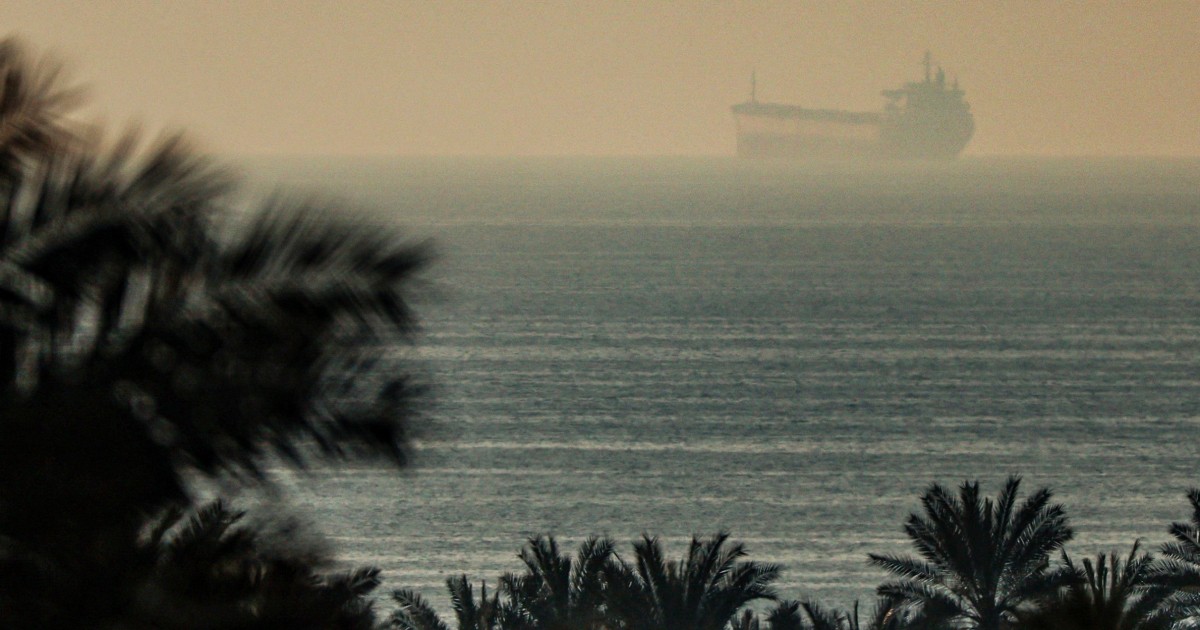
The ongoing conflict with Iran is escalating into a significant economic challenge for the United States, complicating the Federal Reserve’s policy decisions. Rising oil prices, disruptions in shipping routes, and emerging signs of weakness in the labor market are creating a complex scenario just as inflation appeared to be stabilizing. This situation raises the specter of “stagflation,” a condition characterized by high inflation and stagnant economic growth, which could hinder the Fed’s ability to lower interest rates and relieve pressure on consumers.
On March 15, 2024, gas prices reached their highest point since September 2024, with the national average climbing to $3.32 per gallon, according to AAA. Simultaneously, U.S. crude oil experienced its most significant weekly increase since 1983, suggesting that gasoline prices may continue to rise in the near future. As the Federal Reserve navigates these pressures, it faces a dual mandate: to maintain maximum employment and stable prices, both of which are now at risk.
The labor market’s recent performance has added to this dilemma. Data released by the Bureau of Labor Statistics revealed that the U.S. economy lost 92,000 jobs last month, with revisions indicating 69,000 fewer jobs than previously estimated for December and January. Typically, such indications of a weakening labor market would prompt the Fed to consider interest rate cuts to stimulate growth.
However, the conflict in Iran complicates this strategy. Rising energy prices and shipping disruptions threaten to escalate inflation, which is currently at 2.4%, exceeding the Fed’s target of 2%. According to Gregory Daco, chief economist at EY, the combination of weak job data and geopolitical tensions increases the risks associated with the Fed’s dual mandate.
The Strait of Hormuz, a critical shipping route along Iran’s southern coast, contributes significantly to these concerns. This narrow waterway is responsible for approximately one-fifth of the world’s oil supply and is vital for transporting essential commodities such as aluminum, sugar, and fertilizer. With over 80% of global trade moving by sea, disruptions in this area can have far-reaching effects on supply chains, resulting in increased freight costs and delays in delivering goods.
Analysts at Goldman Sachs have identified “upside risks” to crude oil prices, projecting that they could exceed $100 per barrel if shipping remains severely disrupted. Crude oil prices settled just under $91 per barrel as of March 15. Each $1 increase in oil prices typically translates to a rise of approximately $0.02 to $0.03 per gallon at the pump, indicating that sustained increases could significantly affect consumer gasoline prices.
Despite these challenges, some Federal Reserve officials believe that the inflationary impact of the Iran conflict might only be temporary. Mary Daly, President of the San Francisco Federal Reserve, stated that the weak job data adds to an already challenging environment for policymakers, emphasizing the need for a careful balance of risks.
Amidst this economic backdrop, President Donald Trump has proposed measures to stabilize oil markets, including plans for maritime risk insurance and naval escorts in the Strait of Hormuz. However, these efforts have yet to alleviate market volatility or curb rising prices. Trump expressed confidence in a speedy resolution, stating, “I don’t have any concern about it. [Gas prices] will drop very rapidly when this is over.”
Policymakers in Washington face a delicate situation. If inflation continues to rise, the Federal Reserve may have no choice but to maintain higher interest rates for an extended period, hindering consumer borrowing and potentially undermining Trump’s affordability agenda ahead of the November midterm elections.
The possibility of a deteriorating economy coupled with a weakened labor market presents a precarious outlook. Joe Bruselas, chief economist at RSM, noted that the Fed’s response will be put to a stringent test as the risk of stagflation looms large. As the situation unfolds, all eyes will be closely monitoring the trajectory of energy prices and their implications for the broader economy.

Robinhood Stock Surges 2.5% in Early Trading on March 17

Israel Intensifies Strikes as Global Energy Crisis Looms

CALV Offers Class on Communication Skills for Real Estate Professionals

Historic Bideford Pub Reopens as The Patch Wine Bar & Kitchen

Oscar Night Celebrations: Winners, Guests, and Exclusive After-Parties

Samsung Galaxy Watch 9 Set for Larger Battery Boost, Report Reveals

Kibble vs. Fresh Dog Food: What’s Best for Your Dog’s Health?

Acclaimed San Francisco Pizzeria Del Popolo to Close in May

‘Invincible’ Season 4 Launches on Prime Video with Epic Action

ALMA Discovers Companion Orbiting Giant Red Star π 1 Gruis

Doctoral Candidate Trivanni Yadav Advances Battery Research at UTulsa

Global Air Forces Ranked by Annual Defense Budgets in 2025

Mass Production of F-35 Fighter Jet Drives Down Costs

Rev. Bry Shields to Retire as McGill-Toolen President in 2026

Gold Investment Surge: Top Mutual Funds and ETF Alternatives

DirecTV to Launch AI-Driven Ads with User Likenesses in 2026

New ‘Star Trek: Voyager’ Game Demo Released, Players Test Limits

Paul Giamatti Reveals Villainous Role in Star Trek: Starfleet Academy
-
 Science7 months ago
ALMA Discovers Companion Orbiting Giant Red Star π 1 Gruis
-
 Science7 months ago
Doctoral Candidate Trivanni Yadav Advances Battery Research at UTulsa
-
 World8 months ago
Global Air Forces Ranked by Annual Defense Budgets in 2025
-
 World8 months ago
Mass Production of F-35 Fighter Jet Drives Down Costs
-
 Lifestyle8 months ago
Rev. Bry Shields to Retire as McGill-Toolen President in 2026
-
 Business8 months ago
Gold Investment Surge: Top Mutual Funds and ETF Alternatives
-
 Top Stories8 months ago
DirecTV to Launch AI-Driven Ads with User Likenesses in 2026
-
 Top Stories8 months ago
New ‘Star Trek: Voyager’ Game Demo Released, Players Test Limits
-
 Entertainment8 months ago
Paul Giamatti Reveals Villainous Role in Star Trek: Starfleet Academy
-

 Entertainment8 months ago
Freeport Art Gallery Transforms Waste into Creative Masterpieces
-

 Entertainment8 months ago
Fast & Furious Coaster Hits the Track at Universal Studios
-
 Science8 months ago
NTSB Report Reveals Hull Damage Caused Titan Submersible Implosion