
World
Trump Faces Challenges in Securing the Strait of Hormuz

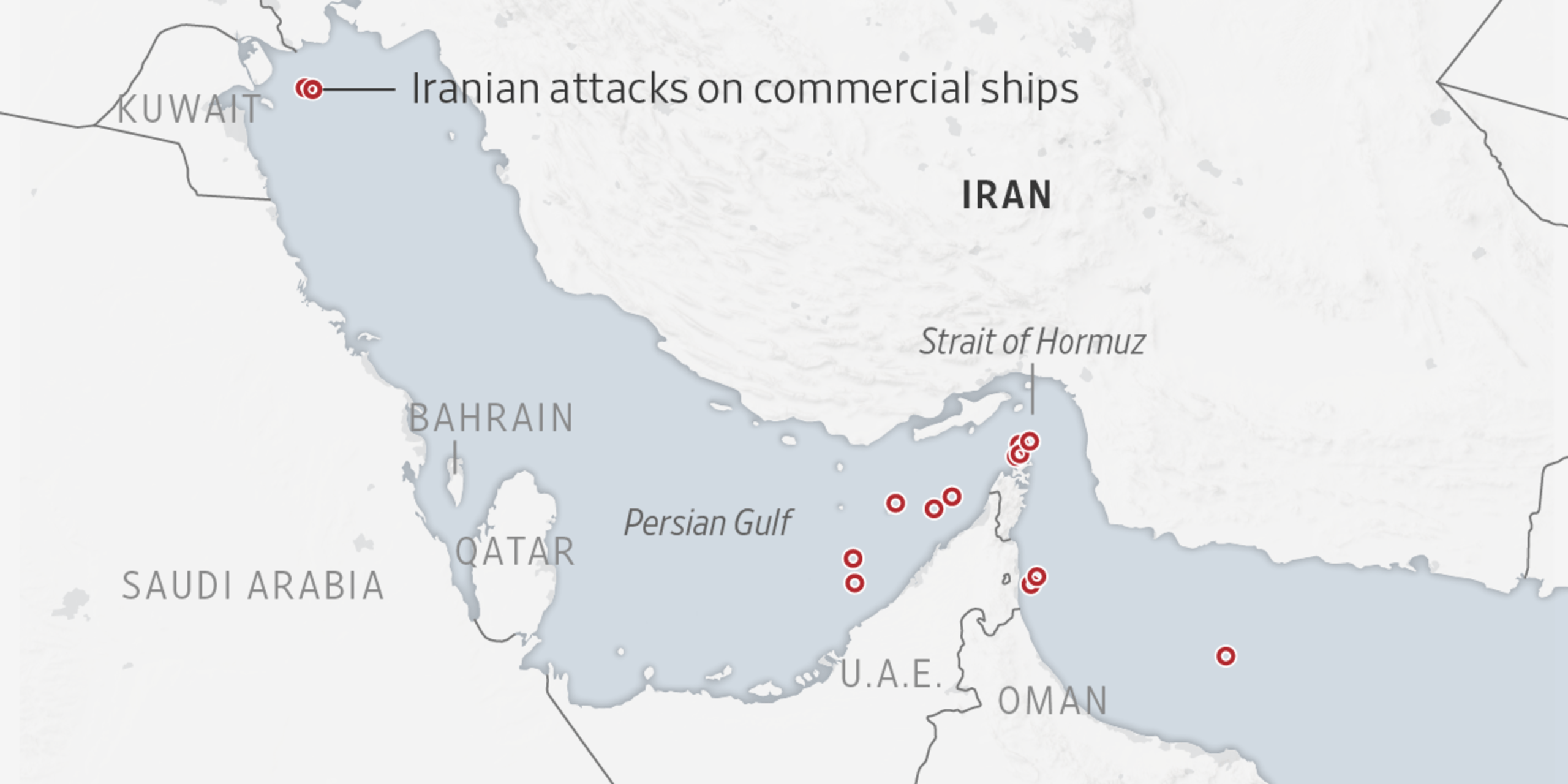
Recent geopolitical tensions have thrust the Strait of Hormuz into the spotlight as former President Donald Trump contemplates strategies to ensure security in this critical maritime corridor. This vital waterway, located between Iran and Oman, is a key passage for approximately 20% of the world’s oil supply. As the Biden administration grapples with its own policies, Trump’s approach to this situation could significantly impact both U.S. foreign relations and global energy markets.
The Strait of Hormuz has been a focal point of conflict, particularly with Iranian forces actively asserting their influence in the region. The U.S. Navy has increased its presence in response to threats from Iran, escalating tensions further. Trump’s options for securing the strait may include augmenting military deployments, enhancing intelligence operations, and fostering alliances with Gulf nations.
Geopolitical Implications and Domestic Politics
The ramifications of Trump’s potential decisions extend beyond the Strait of Hormuz. With the upcoming midterm elections in November 2024, the former president’s stance could reshape his political narrative. Trump has often used foreign policy successes to bolster his position among voters. If he can demonstrate a strong response to threats in the Middle East, it may resonate positively with his base and undecided voters.
In Iran, hopes for regime change have been tempered by the current political landscape. Protests against the Iranian government have continued, but the prospects for significant change appear bleak. Many Iranians are disillusioned, believing that external influences, including U.S. policy, have often complicated their struggle for reform. The situation remains volatile, with the potential for conflict looming as both nations navigate their complex relationship.
Human Stories Amidst Conflict
In the midst of these geopolitical tensions, personal narratives also emerge. One such story is from a victim of Jeffrey Epstein, who spoke out about her experiences. Her revelations not only highlight the pervasive issues of abuse and exploitation but also reflect the broader societal challenges that continue to affect many individuals.
While Trump’s focus on the Strait of Hormuz may be primarily strategic, the human impact of these geopolitical decisions cannot be overlooked. As tensions escalate, the potential for conflict grows, illustrating how international politics can profoundly influence the lives of ordinary citizens.
As the situation evolves, the international community will be closely monitoring Trump’s actions and their implications for regional stability and global energy security. The outcomes of these developments will serve as critical indicators of U.S. foreign policy direction and its effects on international relations in the coming years.

Robinhood Stock Surges 2.5% in Early Trading on March 17

Israel Intensifies Strikes as Global Energy Crisis Looms

CALV Offers Class on Communication Skills for Real Estate Professionals

Historic Bideford Pub Reopens as The Patch Wine Bar & Kitchen

Oscar Night Celebrations: Winners, Guests, and Exclusive After-Parties

Samsung Galaxy Watch 9 Set for Larger Battery Boost, Report Reveals

Kibble vs. Fresh Dog Food: What’s Best for Your Dog’s Health?

Acclaimed San Francisco Pizzeria Del Popolo to Close in May

‘Invincible’ Season 4 Launches on Prime Video with Epic Action

ALMA Discovers Companion Orbiting Giant Red Star π 1 Gruis

Doctoral Candidate Trivanni Yadav Advances Battery Research at UTulsa

Global Air Forces Ranked by Annual Defense Budgets in 2025

Gold Investment Surge: Top Mutual Funds and ETF Alternatives

New ‘Star Trek: Voyager’ Game Demo Released, Players Test Limits

Mass Production of F-35 Fighter Jet Drives Down Costs

DirecTV to Launch AI-Driven Ads with User Likenesses in 2026

Paul Giamatti Reveals Villainous Role in Star Trek: Starfleet Academy

Freeport Art Gallery Transforms Waste into Creative Masterpieces
-
 Science4 months ago
ALMA Discovers Companion Orbiting Giant Red Star π 1 Gruis
-
 Science4 months ago
Doctoral Candidate Trivanni Yadav Advances Battery Research at UTulsa
-
 World5 months ago
Global Air Forces Ranked by Annual Defense Budgets in 2025
-
 Business5 months ago
Gold Investment Surge: Top Mutual Funds and ETF Alternatives
-
 Top Stories5 months ago
New ‘Star Trek: Voyager’ Game Demo Released, Players Test Limits
-
 World5 months ago
Mass Production of F-35 Fighter Jet Drives Down Costs
-
 Top Stories5 months ago
DirecTV to Launch AI-Driven Ads with User Likenesses in 2026
-
 Entertainment5 months ago
Paul Giamatti Reveals Villainous Role in Star Trek: Starfleet Academy
-
 Entertainment5 months ago
Freeport Art Gallery Transforms Waste into Creative Masterpieces
-
 Science5 months ago
NTSB Report Reveals Hull Damage Caused Titan Submersible Implosion
-

 Science5 months ago
Time Crystals Revolutionize Quantum Computing Potential
-

 Sports4 months ago
NASCAR Faces Fan Backlash as Steve Phelps’ Texts Surface