
Science
U.S. Space Force Activates Advanced Radar System in Alaska

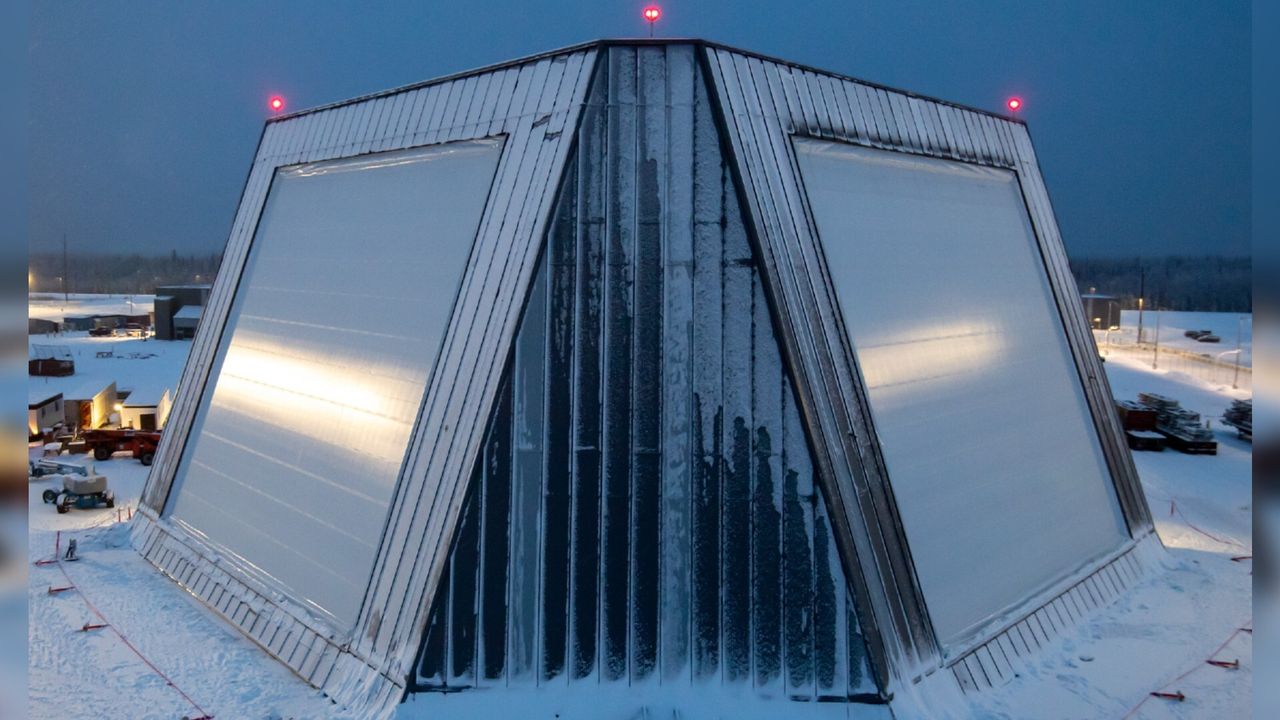
The U.S. Space Force’s Combat Forces Command (CFC) has officially taken operational control of the Long Range Discrimination Radar (LRDR) following a successful series of tests conducted in December 2025. This cutting-edge radar system is now transitioning from extensive testing to active deployment, enhancing the United States’ missile defense capabilities.
Understanding the Long Range Discrimination Radar
The Long Range Discrimination Radar (LRDR) represents a significant advancement in ground-based radar technology. Its primary function is to detect, track, and differentiate long-range ballistic missile threats with exceptional accuracy. This enhanced precision allows the system to distinguish between genuine threats, like intercontinental ballistic missiles, and non-threatening objects such as space debris. The term “discrimination” in its name reflects this critical capability.
The development of the LRDR has been a multi-year effort, with initial tests commencing in late 2021 under the auspices of the Missile Defense Agency. These early evaluations laid the groundwork for the extensive training and integration processes necessary for its effective operation within the broader missile defense framework.
A Strategic Asset for Missile Defense
Located at Clear Space Force Station in Alaska, the LRDR is now a vital component of the Space Force’s missile defense network. Its role goes beyond mere detection; the radar is designed to deliver precise tracking and discrimination data that can significantly improve the accuracy of missile interceptors and reduce response times.
By continuously monitoring the skies and atmosphere, the LRDR serves as a crucial sentinel in the United States’ missile defense strategy. The Space Force emphasizes the system’s importance in bolstering national security by ensuring timely and informed responses to potential missile threats.
The activation of the LRDR marks a pivotal moment in the U.S. defense landscape, as it enhances the nation’s ability to safeguard against evolving threats in an increasingly complex global environment. The ongoing commitment to advancing missile defense technology underscores the necessity of maintaining a robust defensive posture in the face of potential adversarial actions.
For those interested in further details about radar systems and the operational capabilities of the U.S. Space Force, additional resources are available through official channels.

Robinhood Stock Surges 2.5% in Early Trading on March 17

Israel Intensifies Strikes as Global Energy Crisis Looms

CALV Offers Class on Communication Skills for Real Estate Professionals

Historic Bideford Pub Reopens as The Patch Wine Bar & Kitchen

Oscar Night Celebrations: Winners, Guests, and Exclusive After-Parties

Samsung Galaxy Watch 9 Set for Larger Battery Boost, Report Reveals

Kibble vs. Fresh Dog Food: What’s Best for Your Dog’s Health?

Acclaimed San Francisco Pizzeria Del Popolo to Close in May

‘Invincible’ Season 4 Launches on Prime Video with Epic Action

ALMA Discovers Companion Orbiting Giant Red Star π 1 Gruis

Doctoral Candidate Trivanni Yadav Advances Battery Research at UTulsa

Global Air Forces Ranked by Annual Defense Budgets in 2025

Rev. Bry Shields to Retire as McGill-Toolen President in 2026

Mass Production of F-35 Fighter Jet Drives Down Costs

Tucson Celebrates Life and Remembrance at 36th Annual All Souls Procession

Gold Investment Surge: Top Mutual Funds and ETF Alternatives

DirecTV to Launch AI-Driven Ads with User Likenesses in 2026

Paul Giamatti Reveals Villainous Role in Star Trek: Starfleet Academy
-
 Science9 months ago
ALMA Discovers Companion Orbiting Giant Red Star π 1 Gruis
-
 Science8 months ago
Doctoral Candidate Trivanni Yadav Advances Battery Research at UTulsa
-
 World10 months ago
Global Air Forces Ranked by Annual Defense Budgets in 2025
-
 Lifestyle10 months ago
Rev. Bry Shields to Retire as McGill-Toolen President in 2026
-
 World10 months ago
Mass Production of F-35 Fighter Jet Drives Down Costs
-
 Lifestyle9 months ago
Tucson Celebrates Life and Remembrance at 36th Annual All Souls Procession
-
 Business10 months ago
Gold Investment Surge: Top Mutual Funds and ETF Alternatives
-
 Top Stories10 months ago
DirecTV to Launch AI-Driven Ads with User Likenesses in 2026
-
 Entertainment10 months ago
Paul Giamatti Reveals Villainous Role in Star Trek: Starfleet Academy
-

 Lifestyle8 months ago
Maumee’s Shop With a Hero Event Delivers Joy to Local Children
-

 Top Stories10 months ago
New ‘Star Trek: Voyager’ Game Demo Released, Players Test Limits
-

 Lifestyle8 months ago
Cape May Shines as New Jersey’s Only Entry on Beach Town List