
Science
U.S. Army Advances Nuclear Microreactor Testing for Energy Security

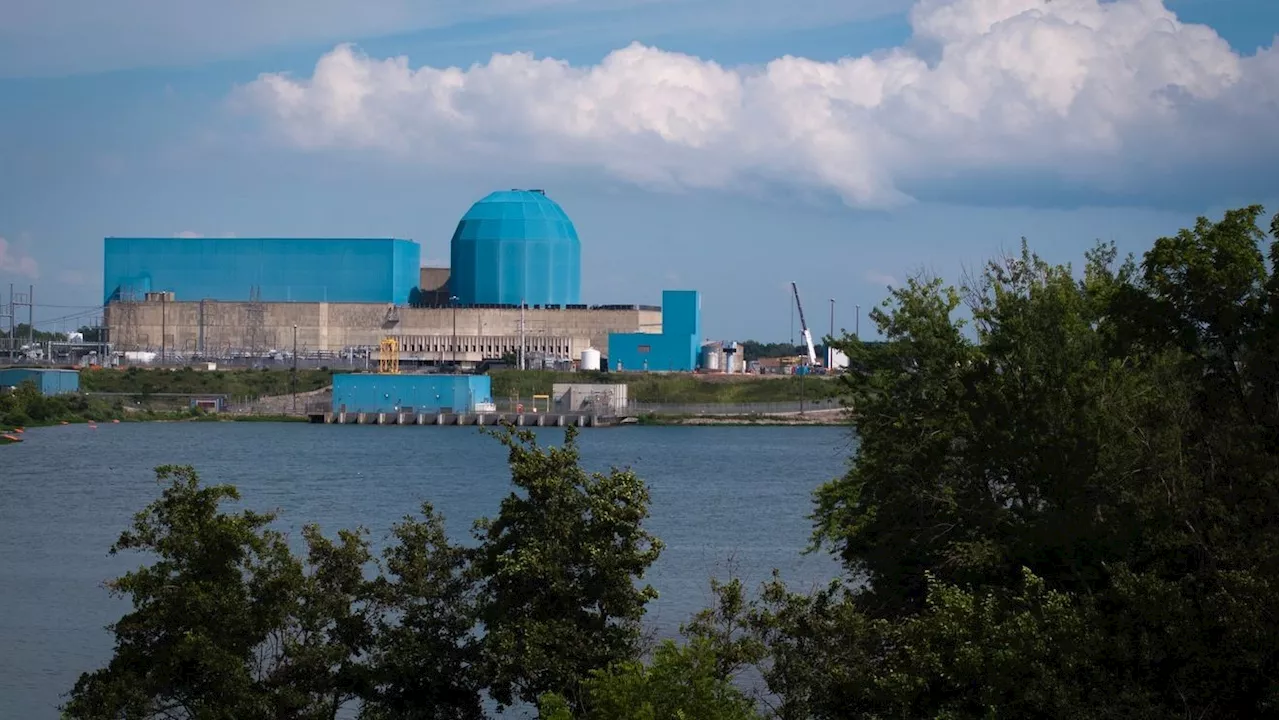
The U.S. Army is progressing in its efforts to deploy nuclear microreactors, a new technology promising to transform the landscape of energy production in the United States. These compact reactors, capable of generating less than 20 megawatts of electricity, are designed for rapid deployment and could provide a reliable, low-carbon power source for various applications, including military bases and remote communities.
Nuclear microreactors differ significantly from traditional nuclear facilities, which require extensive land and take years to construct. Instead, microreactors can be manufactured off-site and transported fully assembled, allowing for quicker installation. The Army’s Janus program is currently evaluating the potential for these reactors at nine domestic installations, including Fort Bragg and Fort Hood, as part of a strategy to enhance energy security for military operations.
Energy Secretary Chris Wright expressed optimism about the initiative, stating, “Like replacing a remote diesel generator in an Alaskan village or at a remote mine site, the administration is supporting all of these efforts.” This statement highlights the potential of microreactors to provide dependable power in areas where conventional energy sources may fail.
As the Army explores this technology, the emphasis on on-site power generation could reduce reliance on civilian electrical grids, which are increasingly susceptible to disruptions from extreme weather, cyberattacks, and physical threats. By utilizing nuclear power, military installations could maintain operations during prolonged outages or emergencies, thereby strengthening national security.
The push for advanced nuclear technologies aligns with the broader objectives of the previous administration, which prioritized the development of next-generation reactor designs. According to Wright, the Department of Energy plans to demonstrate approximately ten different reactor designs over the next two years, with construction of small modular reactors potentially beginning as early as next year.
Despite the promising prospects, the adoption of microreactors faces financial and public perception challenges. Companies must invest heavily in manufacturing infrastructure, while customers often seek assurances of long-term reliability and regulatory compliance before making commitments. Furthermore, the longstanding skepticism surrounding nuclear energy may hinder community acceptance, a vital factor for successful deployment beyond military settings.
Nevertheless, the Army’s testing efforts could serve as a critical proving ground for nuclear microreactors. Advocates believe these systems can deliver on their promise of clean and resilient energy, offering a viable alternative in a world increasingly focused on sustainable power solutions. As the landscape of energy production continues to evolve, the outcome of these tests may significantly influence the future of energy security in the United States.

Robinhood Stock Surges 2.5% in Early Trading on March 17

Israel Intensifies Strikes as Global Energy Crisis Looms

CALV Offers Class on Communication Skills for Real Estate Professionals

Historic Bideford Pub Reopens as The Patch Wine Bar & Kitchen

Oscar Night Celebrations: Winners, Guests, and Exclusive After-Parties

Samsung Galaxy Watch 9 Set for Larger Battery Boost, Report Reveals

Kibble vs. Fresh Dog Food: What’s Best for Your Dog’s Health?

Acclaimed San Francisco Pizzeria Del Popolo to Close in May

‘Invincible’ Season 4 Launches on Prime Video with Epic Action

ALMA Discovers Companion Orbiting Giant Red Star π 1 Gruis

Doctoral Candidate Trivanni Yadav Advances Battery Research at UTulsa

Global Air Forces Ranked by Annual Defense Budgets in 2025

Rev. Bry Shields to Retire as McGill-Toolen President in 2026

Mass Production of F-35 Fighter Jet Drives Down Costs

Tucson Celebrates Life and Remembrance at 36th Annual All Souls Procession

Gold Investment Surge: Top Mutual Funds and ETF Alternatives

DirecTV to Launch AI-Driven Ads with User Likenesses in 2026

Paul Giamatti Reveals Villainous Role in Star Trek: Starfleet Academy
-
 Science9 months ago
ALMA Discovers Companion Orbiting Giant Red Star π 1 Gruis
-
 Science8 months ago
Doctoral Candidate Trivanni Yadav Advances Battery Research at UTulsa
-
 World10 months ago
Global Air Forces Ranked by Annual Defense Budgets in 2025
-
 Lifestyle10 months ago
Rev. Bry Shields to Retire as McGill-Toolen President in 2026
-
 World10 months ago
Mass Production of F-35 Fighter Jet Drives Down Costs
-
 Lifestyle9 months ago
Tucson Celebrates Life and Remembrance at 36th Annual All Souls Procession
-
 Business10 months ago
Gold Investment Surge: Top Mutual Funds and ETF Alternatives
-
 Top Stories10 months ago
DirecTV to Launch AI-Driven Ads with User Likenesses in 2026
-
 Entertainment10 months ago
Paul Giamatti Reveals Villainous Role in Star Trek: Starfleet Academy
-

 Lifestyle8 months ago
Maumee’s Shop With a Hero Event Delivers Joy to Local Children
-

 Top Stories10 months ago
New ‘Star Trek: Voyager’ Game Demo Released, Players Test Limits
-

 Lifestyle8 months ago
Cape May Shines as New Jersey’s Only Entry on Beach Town List