
Science
High Seas Treaty Becomes Law, Paving Way for Ocean Protection

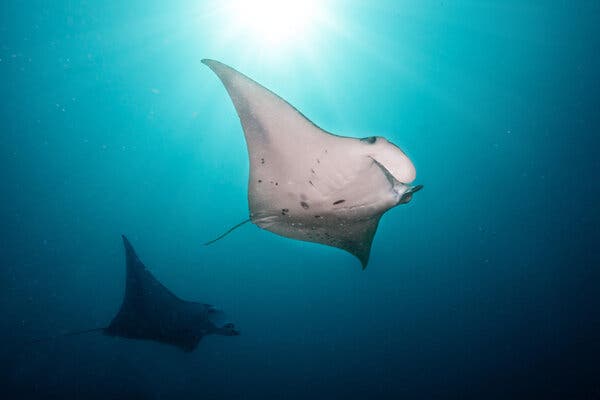
An international agreement aimed at protecting marine life, known as the High Seas Treaty, has officially come into effect. This landmark treaty marks the first time that international waters, which fall outside any nation’s jurisdiction and encompass nearly half of Earth’s surface, can be designated for environmental protection. The treaty’s formal discussions began over two decades ago, with negotiations commencing in earnest in 2017.
The final text of the treaty facilitates the establishment of marine protected areas in international waters and introduces regulations for emerging ocean industries. This development coincides with the United States‘ ongoing review of a company’s application to explore the deep sea floor for valuable minerals, although seabed mining is generally governed by a separate treaty. The authority associated with that treaty has spent years deliberating on regulations for deep sea mining but has yet to approve any commercial operations.
Morocco’s ratification in September marked a significant milestone, as it became the 60th country to endorse the High Seas Treaty. This action triggered a 120-day countdown for the treaty to become recognized as international law. Currently, a total of 83 countries have ratified the treaty, while the United States has not yet joined this coalition.
Countries that have ratified the High Seas Treaty have committed to cooperate in upholding its provisions, although enforcement mechanisms for international laws remain limited. Rena Lee, Singapore’s ambassador who led the final negotiations, described the treaty’s implementation as “a rare opportunity to make a positive difference in the high seas and deep seabed.”
The treaty’s creation aligns with a broader biodiversity aim set by a separate United Nations agreement in 2022, which pledges to protect 30 percent of Earth’s land and oceans by the year 2030. The high seas, often referred to as the maritime “wild west,” account for two-thirds of all oceanic areas, yet less than 10 percent of these waters are currently under protection.
“This marks a significant turning point,” stated Rebecca Hubbard, the director of the High Seas Alliance. “And in many ways, the work is just beginning.” The implementation of the High Seas Treaty signals a potential shift in how the world approaches marine conservation and sustainable use of ocean resources.

Robinhood Stock Surges 2.5% in Early Trading on March 17

Israel Intensifies Strikes as Global Energy Crisis Looms

CALV Offers Class on Communication Skills for Real Estate Professionals

Historic Bideford Pub Reopens as The Patch Wine Bar & Kitchen

Oscar Night Celebrations: Winners, Guests, and Exclusive After-Parties

Samsung Galaxy Watch 9 Set for Larger Battery Boost, Report Reveals

Kibble vs. Fresh Dog Food: What’s Best for Your Dog’s Health?

Acclaimed San Francisco Pizzeria Del Popolo to Close in May

‘Invincible’ Season 4 Launches on Prime Video with Epic Action

ALMA Discovers Companion Orbiting Giant Red Star π 1 Gruis

Doctoral Candidate Trivanni Yadav Advances Battery Research at UTulsa

Global Air Forces Ranked by Annual Defense Budgets in 2025

Rev. Bry Shields to Retire as McGill-Toolen President in 2026

Mass Production of F-35 Fighter Jet Drives Down Costs

Tucson Celebrates Life and Remembrance at 36th Annual All Souls Procession

Gold Investment Surge: Top Mutual Funds and ETF Alternatives

DirecTV to Launch AI-Driven Ads with User Likenesses in 2026

Paul Giamatti Reveals Villainous Role in Star Trek: Starfleet Academy
-
 Science9 months ago
ALMA Discovers Companion Orbiting Giant Red Star π 1 Gruis
-
 Science8 months ago
Doctoral Candidate Trivanni Yadav Advances Battery Research at UTulsa
-
 World10 months ago
Global Air Forces Ranked by Annual Defense Budgets in 2025
-
 Lifestyle10 months ago
Rev. Bry Shields to Retire as McGill-Toolen President in 2026
-
 World10 months ago
Mass Production of F-35 Fighter Jet Drives Down Costs
-
 Lifestyle9 months ago
Tucson Celebrates Life and Remembrance at 36th Annual All Souls Procession
-
 Business10 months ago
Gold Investment Surge: Top Mutual Funds and ETF Alternatives
-
 Top Stories10 months ago
DirecTV to Launch AI-Driven Ads with User Likenesses in 2026
-
 Entertainment10 months ago
Paul Giamatti Reveals Villainous Role in Star Trek: Starfleet Academy
-

 Lifestyle8 months ago
Maumee’s Shop With a Hero Event Delivers Joy to Local Children
-

 Top Stories10 months ago
New ‘Star Trek: Voyager’ Game Demo Released, Players Test Limits
-

 Lifestyle7 months ago
Cape May Shines as New Jersey’s Only Entry on Beach Town List