
Health
Discovering the Vital Role of Wasps in Our Ecosystem

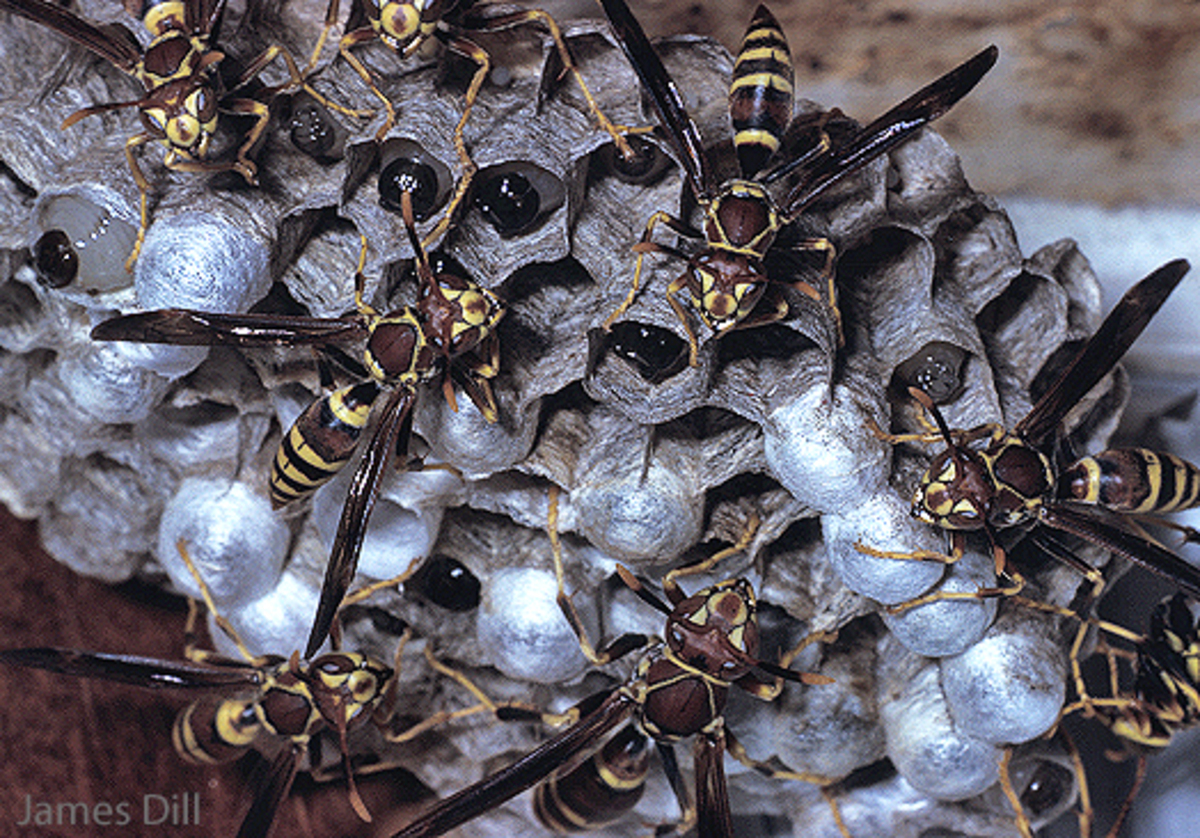
Madison Pflugbeil, a third-year student at the University of Maine, is pursuing a career in entomology after overcoming her fear of insects. Her journey into the world of entomology has led to a deeper appreciation for wasps, often dismissed as mere nuisances during summer picnics. Despite their reputation, wasps play a critical role in maintaining ecological balance and even have potential medical applications.
During summer, many people enjoy the warmth and outdoor activities, but wasps often disrupt these experiences. They are frequently seen buzzing around food and drink, leading to a common perception of them as pests. Yet, there is much more to these insects than meets the eye. Out of the numerous species of wasps, only a small fraction are aggressive and likely to sting.
Understanding wasp behavior reveals that many are solitary and less prone to stinging unless their nest is threatened. Stinging species typically do so to protect their hive, which includes their queen and larvae. Unlike bees, which have barbed stingers that remain lodged in their targets, wasps possess smooth stingers. This adaptation allows them to sting multiple times without suffering injury, making their defensive behavior more aggressive.
Wasps: Essential Ecosystem Contributors
Wasps are vital to various ecosystems. Many solitary wasps are classified as parasitoids, laying their eggs on or inside garden pests, such as aphids and caterpillars. This natural pest control helps to reduce the populations of harmful insects, benefiting both agriculture and the environment. Additionally, yellowjackets, a well-known wasp group, help manage fly populations by consuming their larvae.
Beyond pest control, wasps are also proficient pollinators. As they visit flowers for nectar and prey, they facilitate the pollination process, contributing to plant reproduction. Notably, certain fig species rely on specialist fig wasps for pollination, while some orchids have evolved to mimic wasp pheromones to attract them.
In recent years, researchers have also begun to explore the medical potential of wasp venom. Each species has a unique venom composition, which may offer therapeutic benefits. Studies suggest that wasp venom could alleviate swelling from conditions like arthritis. As the medical community seeks new treatments for drug-resistant diseases, the compounds found in wasp venom have shown promise in addressing autoimmune disorders and certain cancers.
A Fascinating Diversity
The world of wasps is remarkably diverse, showcasing a variety of colors, shapes, and sizes. Some notable examples include cuckoo wasps, recognized for their striking iridescent colors, and fairy wasps, which are among the smallest known flying insects. The Baeus wasp features disproportionately large eyes, while velvet ants, despite their name, are actually wasps that resemble small pandas.
While it is not advisable to welcome wasps into our homes, it is important to recognize their ecological significance. They play a critical role in pest control, pollination, and potential medical applications. By fostering a deeper understanding of these insects, we can learn to appreciate their contributions to the ecosystem and reconsider our perceptions of them.
In conclusion, wasps deserve a second look. Rather than viewing them solely as pests, acknowledging their essential roles can lead to a more balanced perspective on these intriguing insects.

Robinhood Stock Surges 2.5% in Early Trading on March 17

Israel Intensifies Strikes as Global Energy Crisis Looms

CALV Offers Class on Communication Skills for Real Estate Professionals

Historic Bideford Pub Reopens as The Patch Wine Bar & Kitchen

Oscar Night Celebrations: Winners, Guests, and Exclusive After-Parties

Samsung Galaxy Watch 9 Set for Larger Battery Boost, Report Reveals

Kibble vs. Fresh Dog Food: What’s Best for Your Dog’s Health?

Acclaimed San Francisco Pizzeria Del Popolo to Close in May

‘Invincible’ Season 4 Launches on Prime Video with Epic Action

ALMA Discovers Companion Orbiting Giant Red Star π 1 Gruis

Doctoral Candidate Trivanni Yadav Advances Battery Research at UTulsa

Rev. Bry Shields to Retire as McGill-Toolen President in 2026

Global Air Forces Ranked by Annual Defense Budgets in 2025

Tucson Celebrates Life and Remembrance at 36th Annual All Souls Procession

Mass Production of F-35 Fighter Jet Drives Down Costs

Gold Investment Surge: Top Mutual Funds and ETF Alternatives

DirecTV to Launch AI-Driven Ads with User Likenesses in 2026

Maumee’s Shop With a Hero Event Delivers Joy to Local Children
-
 Science9 months ago
ALMA Discovers Companion Orbiting Giant Red Star π 1 Gruis
-
 Science9 months ago
Doctoral Candidate Trivanni Yadav Advances Battery Research at UTulsa
-
 Lifestyle10 months ago
Rev. Bry Shields to Retire as McGill-Toolen President in 2026
-
 World10 months ago
Global Air Forces Ranked by Annual Defense Budgets in 2025
-
 Lifestyle10 months ago
Tucson Celebrates Life and Remembrance at 36th Annual All Souls Procession
-
 World10 months ago
Mass Production of F-35 Fighter Jet Drives Down Costs
-
 Business10 months ago
Gold Investment Surge: Top Mutual Funds and ETF Alternatives
-
 Top Stories10 months ago
DirecTV to Launch AI-Driven Ads with User Likenesses in 2026
-
 Lifestyle8 months ago
Maumee’s Shop With a Hero Event Delivers Joy to Local Children
-

 Sports8 months ago
Lawrence Launches Winterfest Skating Rink and Hot Chocolate Chalet
-

 Entertainment10 months ago
Paul Giamatti Reveals Villainous Role in Star Trek: Starfleet Academy
-

 Lifestyle8 months ago
Cape May Shines as New Jersey’s Only Entry on Beach Town List