
Health
Study Links Anterior Pelvic Tilt to Autism and ADHD Symptoms

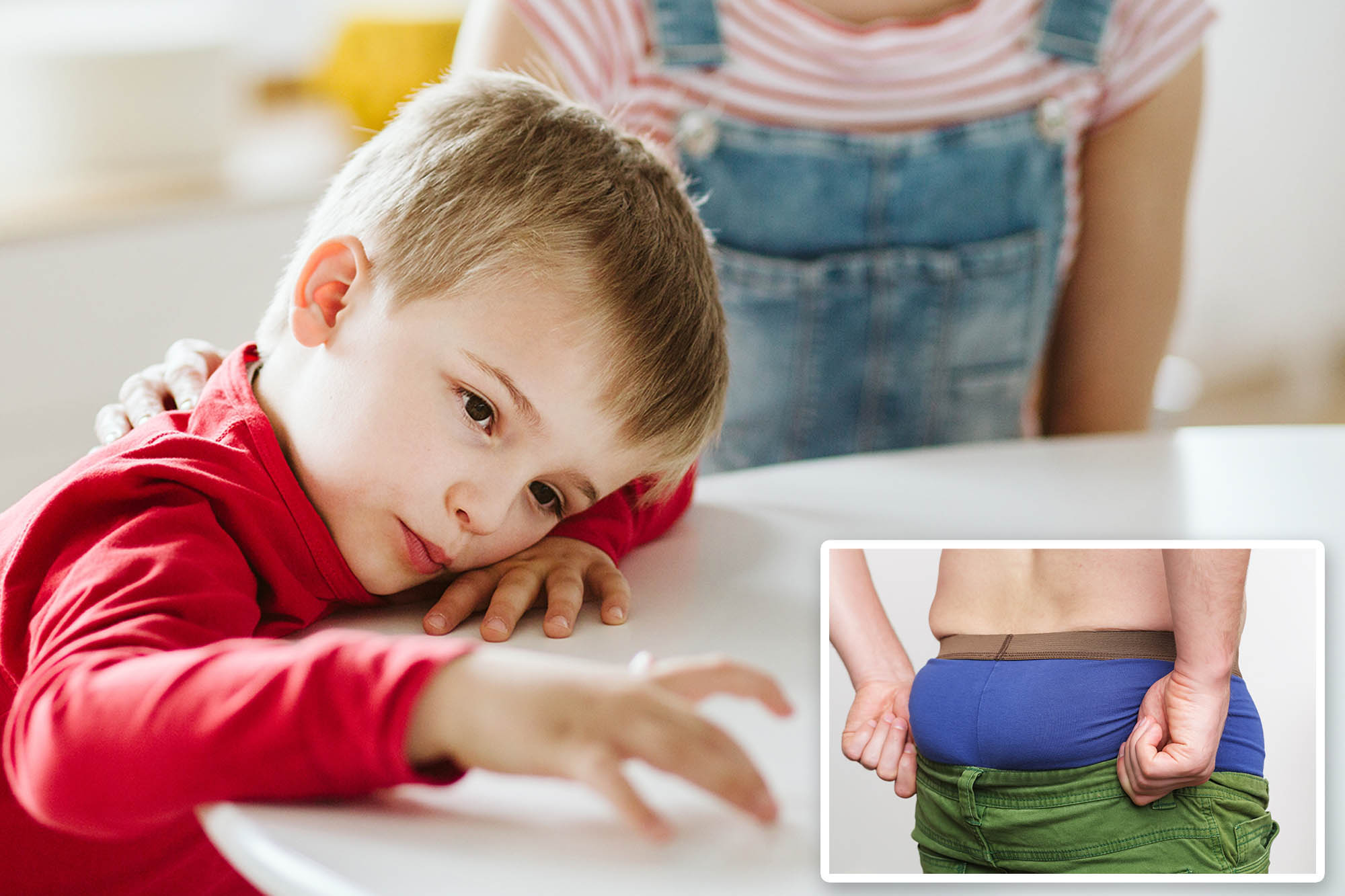
Research has uncovered a surprising connection between body posture and neurodevelopmental disorders such as autism and attention-deficit/hyperactivity disorder (ADHD). A prominent feature, often referred to as “duck butt,” linked to a condition known as anterior pelvic tilt, may serve as an indirect indicator of these conditions. This tilt occurs when the front of the pelvis tilts forward, altering the natural alignment of the spine.
The anterior pelvic tilt not only affects appearance but can also contribute to a range of physical challenges. Individuals with this condition often experience lower back pain, hip discomfort, and decreased mobility. This postural issue is particularly common among children diagnosed with autism and ADHD. According to the Centers for Disease Control and Prevention (CDC), approximately 1 in 31 children aged 8 and older in the United States has been diagnosed with autism spectrum disorder. Additionally, data from 2022 indicates that around 1 in 9 children aged 3 to 17 have received an ADHD diagnosis.
Understanding the Link Between Posture and Neurodevelopmental Disorders
Low muscle tone is one factor contributing to anterior pelvic tilt in these children. This condition can weaken core and glute muscles, leaving the pelvis misaligned. Prolonged sitting and repetitive movements, such as toe walking, can exacerbate tightness in the hip flexors and lower back, further disrupting pelvic alignment. Children with autism and ADHD also frequently struggle with balance and body awareness, complicating their ability to maintain proper posture.
In a study utilizing 3D motion analysis, researchers assessed the walking patterns of school-aged children with autism. They found that these children exhibited a more pronounced forward pelvic tilt compared to their typically developing peers. Additionally, they displayed reduced ankle push-off strength and an unusual forward bend in their hips. Another study highlighted that boys diagnosed with ADHD had anterior pelvic angles averaging 4.5 degrees greater than those of children without the condition. The study authors noted that this specific pelvic angle could correlate with the severity of ADHD symptoms.
Addressing Postural Issues Through Targeted Exercises
While anterior pelvic tilt may not be problematic for everyone, it can lead to discomfort and impact physical performance. However, targeted exercises can help mitigate these issues. Strengthening activities aimed at the glutes, hamstrings, and core, such as bridges, planks, leg lifts, and wall sits, can restore proper alignment.
Experts recommend that children with autism and ADHD work with physical or occupational therapists. These professionals can tailor exercise programs to meet individual needs, particularly for those with sensory sensitivities. Engaging in these exercises can prove enjoyable while promoting physical health and improving posture.
As research continues to explore the relationship between body posture and neurodevelopmental disorders, the findings underscore the importance of early intervention. By addressing postural issues, caregivers can enhance the overall well-being and quality of life for children affected by autism and ADHD.

Robinhood Stock Surges 2.5% in Early Trading on March 17

Israel Intensifies Strikes as Global Energy Crisis Looms

CALV Offers Class on Communication Skills for Real Estate Professionals

Historic Bideford Pub Reopens as The Patch Wine Bar & Kitchen

Oscar Night Celebrations: Winners, Guests, and Exclusive After-Parties

Samsung Galaxy Watch 9 Set for Larger Battery Boost, Report Reveals

Kibble vs. Fresh Dog Food: What’s Best for Your Dog’s Health?

Acclaimed San Francisco Pizzeria Del Popolo to Close in May

‘Invincible’ Season 4 Launches on Prime Video with Epic Action

ALMA Discovers Companion Orbiting Giant Red Star π 1 Gruis

Doctoral Candidate Trivanni Yadav Advances Battery Research at UTulsa

Rev. Bry Shields to Retire as McGill-Toolen President in 2026

Global Air Forces Ranked by Annual Defense Budgets in 2025

Tucson Celebrates Life and Remembrance at 36th Annual All Souls Procession

Mass Production of F-35 Fighter Jet Drives Down Costs

Gold Investment Surge: Top Mutual Funds and ETF Alternatives

DirecTV to Launch AI-Driven Ads with User Likenesses in 2026

Maumee’s Shop With a Hero Event Delivers Joy to Local Children
-
 Science9 months ago
ALMA Discovers Companion Orbiting Giant Red Star π 1 Gruis
-
 Science9 months ago
Doctoral Candidate Trivanni Yadav Advances Battery Research at UTulsa
-
 Lifestyle10 months ago
Rev. Bry Shields to Retire as McGill-Toolen President in 2026
-
 World10 months ago
Global Air Forces Ranked by Annual Defense Budgets in 2025
-
 Lifestyle10 months ago
Tucson Celebrates Life and Remembrance at 36th Annual All Souls Procession
-
 World10 months ago
Mass Production of F-35 Fighter Jet Drives Down Costs
-
 Business10 months ago
Gold Investment Surge: Top Mutual Funds and ETF Alternatives
-
 Top Stories10 months ago
DirecTV to Launch AI-Driven Ads with User Likenesses in 2026
-
 Lifestyle8 months ago
Maumee’s Shop With a Hero Event Delivers Joy to Local Children
-

 Sports8 months ago
Lawrence Launches Winterfest Skating Rink and Hot Chocolate Chalet
-

 Entertainment10 months ago
Paul Giamatti Reveals Villainous Role in Star Trek: Starfleet Academy
-

 Lifestyle8 months ago
Cape May Shines as New Jersey’s Only Entry on Beach Town List