
Science
Blood Donation: Essential Steps to Ensure a Smooth First Experience

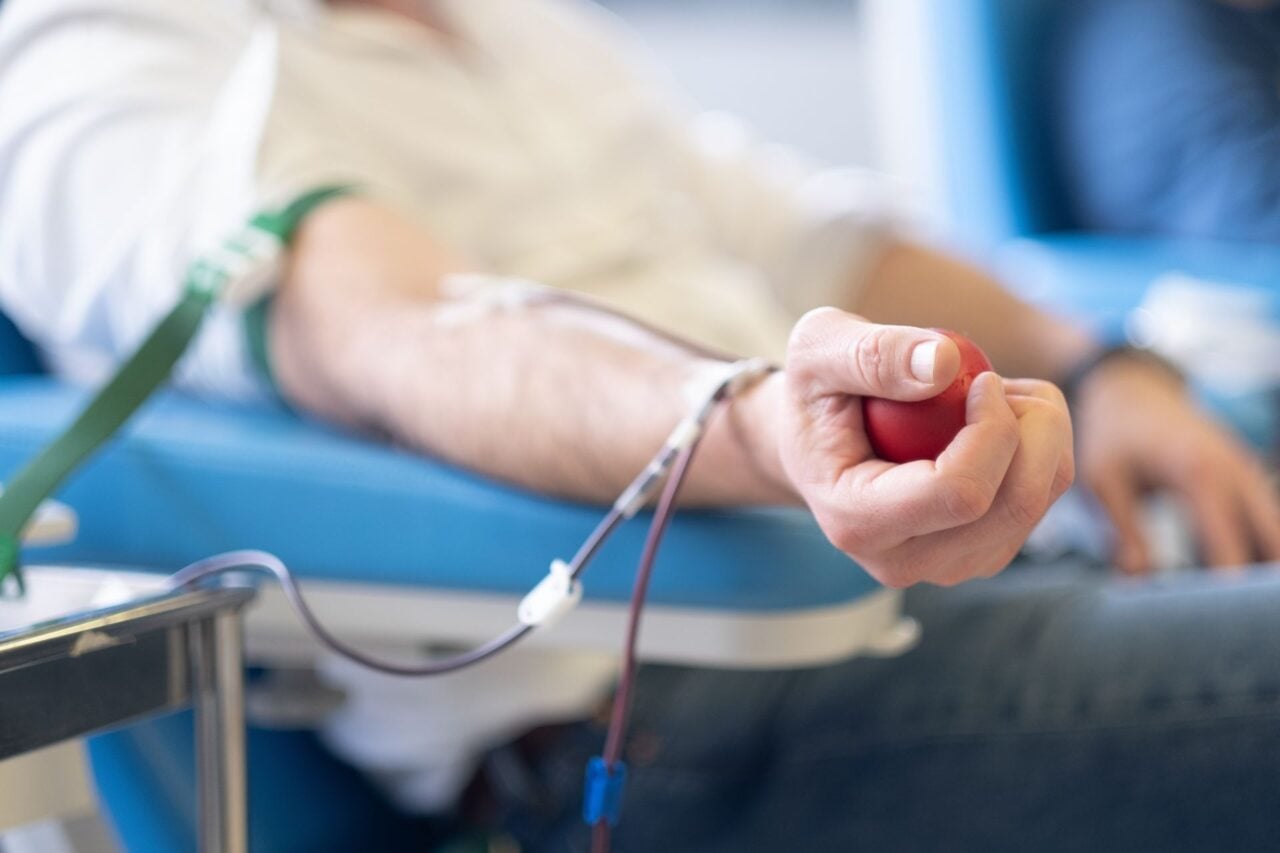
Donating blood is a critical act that saves lives, yet many people hesitate to take the first step. With the United States facing a severe blood supply shortage, organizations such as the American Red Cross, the Association for the Advancement of Blood & Biotherapies, and America’s Blood Centers have urgently called for more donors. This situation presents a vital opportunity for new donors to contribute to their communities.
For those considering their first donation, it is normal to feel apprehensive. However, understanding the process can help alleviate concerns. Blood donation is a safe procedure, with new sterile needles used for each donor, eliminating the risk of bloodborne infections. Moreover, recent studies suggest that regular blood donation may even lead to beneficial genetic changes in red blood cells, potentially lowering cancer risk, although further research is necessary to confirm these findings.
Preparing for Your Donation
Before heading to the donation center, there are several important steps to take. Approximately two-thirds of Americans meet the criteria for blood donation, yet only about 3% participate annually. This highlights the need for more individuals to engage in this life-saving activity.
In the days leading up to your donation, focus on maintaining a diet rich in iron. Foods such as spinach, chicken, and red meat are excellent choices. Adequate iron levels are crucial not just for donation but for overall health. The night before your appointment, ensure you get a restful sleep to help your body prepare.
On the day of donation, it is advisable to avoid high-fat foods and alcohol. If you are donating platelets, refrain from using aspirin for at least two days prior. Those donating plasma should consume protein-rich foods both before and after the process.
Hydration is particularly important; the American Red Cross recommends drinking at least 16 ounces of water or another non-alcoholic beverage before your donation. Staying hydrated increases blood volume, allowing for a smoother donation and making it easier for the phlebotomist to locate your veins.
While caffeine is often consumed regularly, it is best to limit intake on donation day due to its dehydrating effects. High water consumption can also help maintain blood pressure, reducing the risk of dizziness or fainting.
Managing Side Effects and the Importance of Donation
Fainting is a common fear associated with blood donation, but there are effective strategies to mitigate this risk. Applied Muscle Tension (AMT) is a technique that can significantly decrease the likelihood of feeling lightheaded. Research indicates that this method can reduce fainting incidents by up to 83%. AMT involves tensing and relaxing large muscle groups—such as crossing legs, tightening thighs, or flexing feet—every few seconds. Practising this technique before the needle insertion and throughout the donation can help maintain stable blood flow and blood pressure.
The importance of blood donation cannot be overstated. Every two seconds, someone in the United States requires blood or blood components, whether due to cancer treatment, accident recovery, or other medical needs. Making the commitment to donate regularly can profoundly impact your community, as the need for blood is continuous.
If you decide to become a frequent donor, consider taking iron supplements, particularly chelated iron, which is easier on the stomach. Whether donating whole blood, platelets, or plasma, there is always a need at your local blood center or drive. In the U.S., some plasma donation centers offer compensation for each visit, though ethical considerations regarding paid donations are a topic of ongoing debate.
Ultimately, blood donation is one of the most straightforward and safe ways to give back. Many donation centers provide snacks and refreshments, such as cookies and juice, as a small incentive for your generosity. By stepping up to donate, you contribute to a critical resource that can change lives.

Robinhood Stock Surges 2.5% in Early Trading on March 17

Israel Intensifies Strikes as Global Energy Crisis Looms

CALV Offers Class on Communication Skills for Real Estate Professionals

Historic Bideford Pub Reopens as The Patch Wine Bar & Kitchen

Oscar Night Celebrations: Winners, Guests, and Exclusive After-Parties

Samsung Galaxy Watch 9 Set for Larger Battery Boost, Report Reveals

Kibble vs. Fresh Dog Food: What’s Best for Your Dog’s Health?

Acclaimed San Francisco Pizzeria Del Popolo to Close in May

‘Invincible’ Season 4 Launches on Prime Video with Epic Action

ALMA Discovers Companion Orbiting Giant Red Star π 1 Gruis

Doctoral Candidate Trivanni Yadav Advances Battery Research at UTulsa

Global Air Forces Ranked by Annual Defense Budgets in 2025

Rev. Bry Shields to Retire as McGill-Toolen President in 2026

Mass Production of F-35 Fighter Jet Drives Down Costs

Tucson Celebrates Life and Remembrance at 36th Annual All Souls Procession

Gold Investment Surge: Top Mutual Funds and ETF Alternatives

DirecTV to Launch AI-Driven Ads with User Likenesses in 2026

Paul Giamatti Reveals Villainous Role in Star Trek: Starfleet Academy
-
 Science9 months ago
ALMA Discovers Companion Orbiting Giant Red Star π 1 Gruis
-
 Science8 months ago
Doctoral Candidate Trivanni Yadav Advances Battery Research at UTulsa
-
 World10 months ago
Global Air Forces Ranked by Annual Defense Budgets in 2025
-
 Lifestyle9 months ago
Rev. Bry Shields to Retire as McGill-Toolen President in 2026
-
 World10 months ago
Mass Production of F-35 Fighter Jet Drives Down Costs
-
 Lifestyle9 months ago
Tucson Celebrates Life and Remembrance at 36th Annual All Souls Procession
-
 Business10 months ago
Gold Investment Surge: Top Mutual Funds and ETF Alternatives
-
 Top Stories10 months ago
DirecTV to Launch AI-Driven Ads with User Likenesses in 2026
-
 Entertainment10 months ago
Paul Giamatti Reveals Villainous Role in Star Trek: Starfleet Academy
-

 Top Stories10 months ago
New ‘Star Trek: Voyager’ Game Demo Released, Players Test Limits
-

 Lifestyle7 months ago
Cape May Shines as New Jersey’s Only Entry on Beach Town List
-

 Lifestyle8 months ago
Maumee’s Shop With a Hero Event Delivers Joy to Local Children