
Science
Breakthroughs in DNA Technology Solve Cold Cases in 2025

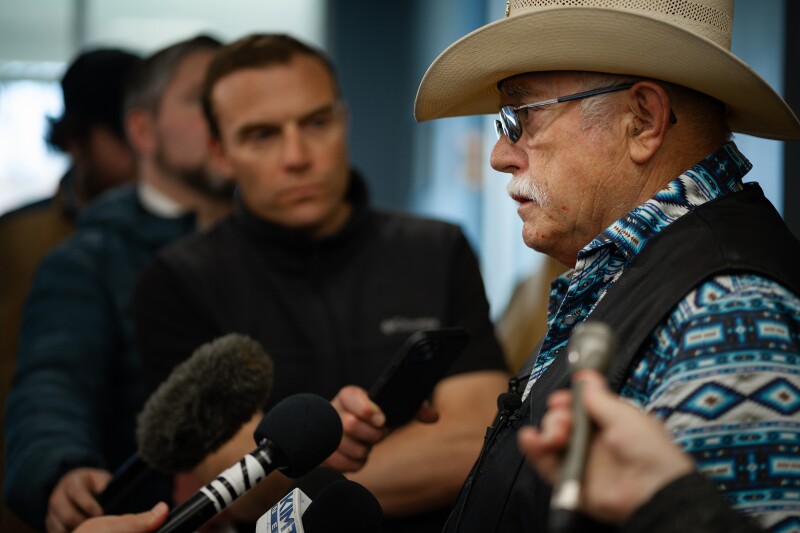
Advancements in DNA technology and forensic genealogy have led to significant breakthroughs in cold case investigations across the United States in 2025. These developments have provided answers to cases that had remained a mystery for decades. Notable cases highlighted by The Vault demonstrate the impact of collaboration among law enforcement agencies, forensic laboratories, and genealogists.
Roy G. Benn: A Disappearance Resolved After Nearly Six Decades
Roy G. Benn, who vanished on September 25, 1967, has been identified as a victim of a tragic accident. The 69-year-old was last seen leaving the King’s Supper Club, where he reportedly had a significant amount of cash on hand. Witnesses described him as well-dressed, wearing a suit adorned with gold and pearl cuff links.
For decades, authorities were unable to locate Benn or his 1963 metallic blue Buick Electra, which disappeared alongside him. This year, a breakthrough occurred when a fisherman reported an unusual sonar reading while on the Mississippi River, leading divers to discover a vehicle matching Benn’s description on August 10, 2025.
Two months later, the Stearns County Sheriff’s Office confirmed that Benn’s remains were inside the vehicle. The Medical Examiner’s Office determined that Benn had been involved in a car crash, which resulted in his vehicle ending up in the river. Authorities do not suspect foul play in his death.
The Mystery of Rachel Marie Doe
In another significant case, the identity of a newborn baby found in Blaine, Minnesota, in 1983 was revealed through advanced DNA testing. Initially named Rachel Marie Doe by the community, the baby was discovered by investigators to belong to her mother and father, though no charges were filed, and their identities remain confidential.
Anoka County Attorney Brad John stated, “The evidence and the interest of justice do not support the filing of any criminal charges in this case, and we respect this family’s privacy now that our work is done.” The baby was delivered under tragic circumstances by a teenage girl who was unaware of her pregnancy. After giving birth, she left the infant in a public area, hoping someone would find her.
The autopsy revealed that Rachel Marie Doe might have been placed alongside the road before being struck by a vehicle, though it could not confirm whether she was alive at the time. This investigation marked a poignant conclusion to a case that had haunted the community for decades.
Unraveling Baby Angel’s Identity
The case of “Baby Angel” further illustrates the effectiveness of modern forensic techniques. Discovered on September 5, 2011, in the Mississippi River near Winona, Minnesota, the infant was found in a tote bag accompanied by various items, including a bracelet and porcelain angels. The community held a public funeral for the baby, with over 150 attendees, demonstrating the collective grief felt by residents.
In April 2025, authorities announced that they had identified Baby Angel’s mother as Jennifer Nichole Baechle, a respected adjunct English professor at Winona State University. Baechle was subsequently charged with two counts of second-degree manslaughter. The case is still pending, with her next hearing scheduled for January 14, 2026. Central to the ongoing legal proceedings is the determination of whether Baby Angel was born alive or stillborn, raising complex questions about the circumstances surrounding her tragic death.
As advancements in forensic science continue to evolve, they bring hope to families seeking closure and justice in cases that have long remained unresolved. The cooperative efforts of law enforcement and forensic experts are proving to be invaluable in solving these heartbreaking mysteries.

Robinhood Stock Surges 2.5% in Early Trading on March 17

Israel Intensifies Strikes as Global Energy Crisis Looms

CALV Offers Class on Communication Skills for Real Estate Professionals

Historic Bideford Pub Reopens as The Patch Wine Bar & Kitchen

Oscar Night Celebrations: Winners, Guests, and Exclusive After-Parties

Samsung Galaxy Watch 9 Set for Larger Battery Boost, Report Reveals

Kibble vs. Fresh Dog Food: What’s Best for Your Dog’s Health?

Acclaimed San Francisco Pizzeria Del Popolo to Close in May

‘Invincible’ Season 4 Launches on Prime Video with Epic Action

ALMA Discovers Companion Orbiting Giant Red Star π 1 Gruis

Doctoral Candidate Trivanni Yadav Advances Battery Research at UTulsa

Global Air Forces Ranked by Annual Defense Budgets in 2025

Rev. Bry Shields to Retire as McGill-Toolen President in 2026

Mass Production of F-35 Fighter Jet Drives Down Costs

Tucson Celebrates Life and Remembrance at 36th Annual All Souls Procession

Gold Investment Surge: Top Mutual Funds and ETF Alternatives

DirecTV to Launch AI-Driven Ads with User Likenesses in 2026

Paul Giamatti Reveals Villainous Role in Star Trek: Starfleet Academy
-
 Science9 months ago
ALMA Discovers Companion Orbiting Giant Red Star π 1 Gruis
-
 Science8 months ago
Doctoral Candidate Trivanni Yadav Advances Battery Research at UTulsa
-
 World10 months ago
Global Air Forces Ranked by Annual Defense Budgets in 2025
-
 Lifestyle10 months ago
Rev. Bry Shields to Retire as McGill-Toolen President in 2026
-
 World10 months ago
Mass Production of F-35 Fighter Jet Drives Down Costs
-
 Lifestyle9 months ago
Tucson Celebrates Life and Remembrance at 36th Annual All Souls Procession
-
 Business10 months ago
Gold Investment Surge: Top Mutual Funds and ETF Alternatives
-
 Top Stories10 months ago
DirecTV to Launch AI-Driven Ads with User Likenesses in 2026
-
 Entertainment10 months ago
Paul Giamatti Reveals Villainous Role in Star Trek: Starfleet Academy
-

 Lifestyle8 months ago
Maumee’s Shop With a Hero Event Delivers Joy to Local Children
-

 Top Stories10 months ago
New ‘Star Trek: Voyager’ Game Demo Released, Players Test Limits
-

 Lifestyle8 months ago
Cape May Shines as New Jersey’s Only Entry on Beach Town List