
Science
White House Plans to Dismantle NCAR, Jeopardizing Climate Research

The White House has announced plans to dismantle the National Center for Atmospheric Research (NCAR) in Colorado, a decision that could significantly impact both climate science on Earth and our understanding of space weather. Russ Vought, Director of the Office of Management and Budget, labeled NCAR as “one of the largest sources of climate alarmism in the country” in a post on X dated December 16. This initiative represents the latest effort by the Trump administration to challenge climate science, which has included proposed cuts to research funding and the removal of data from government websites.
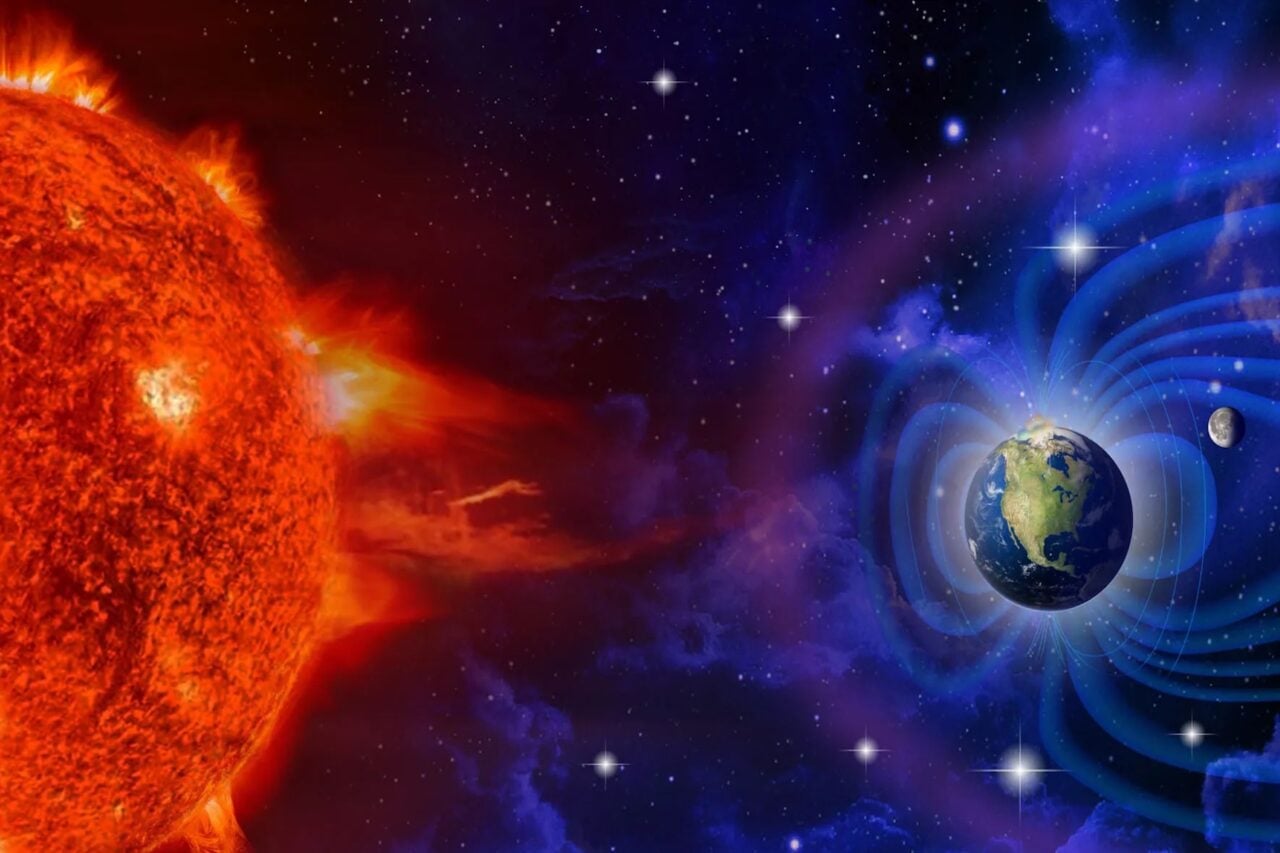
Founded over six decades ago, NCAR plays a pivotal role in studying Earth’s atmosphere, weather patterns, and climate change. Its research also extends to space weather, focusing on the Sun’s activity and its effects on Earth’s magnetosphere. Two upcoming NASA heliophysics missions are set to rely heavily on NCAR’s expertise.
NASA Missions at Risk Due to Proposed Cuts
Earlier this month, NASA advanced two heliophysics missions aimed at enhancing our understanding of solar phenomena, including the solar wind. One of these missions is the Chromospheric Magnetism Explorer (CMEx), which is being led by NCAR scientist Holly Gilbert. CMEx aims to investigate the chromosphere, the Sun’s reddish layer, to better understand the origins of solar eruptions and the magnetic sources of solar wind.
Asal Naseri, acting associate flight director for heliophysics at NASA Headquarters, emphasized the importance of these missions, stating, “These mission concepts, if advanced to flight, will improve our ability to predict solar events that could harm satellites we rely on every day and mitigate danger to astronauts near Earth, at the Moon, or Mars.”
Another mission, the Solar Transition Region Ultraviolet Explorer (STRUVE), is also led by NCAR and is expected to launch in 2029. STRUVE will gather critical data on the chromosphere and corona, focusing on areas where energy that powers solar storms accumulates before being released. “The chromosphere is a really important part of the solar atmosphere when it comes to storage and release of magnetic energy,” said Alfred de Wijn, STRUVE’s principal investigator.
Future of NCAR and Legislative Response
With NCAR’s future uncertain, the fate of these crucial missions remains unclear. Vought’s statement suggested that research activities currently conducted at NCAR could be transferred to other organizations, but specific details on how those decisions will be made have not been disclosed.
The American Astronomical Society (AAS) has expressed concerns regarding the implications of dismantling NCAR. President Dara Norman stated, “Research conducted at NCAR informs our understanding of space weather hazards caused by solar storms and the atmospheric properties of other planets in and beyond our solar system.” The AAS has urged Congress to investigate the decision-making process regarding NCAR and its funding.
In response to the proposed cuts, U.S. lawmakers are working on legislation to restore funding for scientific research at NASA and other agencies. They face a deadline of January 30, 2024, to finalize spending bills that could reverse the administration’s plans.
The potential dismantling of NCAR raises significant questions about the future of climate and space weather research, areas that are increasingly critical in understanding both environmental and astronomical phenomena. The implications of this decision may extend far beyond the immediate scientific community, affecting industries and technologies that depend on reliable climate and space weather data.

Robinhood Stock Surges 2.5% in Early Trading on March 17

Israel Intensifies Strikes as Global Energy Crisis Looms

CALV Offers Class on Communication Skills for Real Estate Professionals

Historic Bideford Pub Reopens as The Patch Wine Bar & Kitchen

Oscar Night Celebrations: Winners, Guests, and Exclusive After-Parties

Samsung Galaxy Watch 9 Set for Larger Battery Boost, Report Reveals

Kibble vs. Fresh Dog Food: What’s Best for Your Dog’s Health?

Acclaimed San Francisco Pizzeria Del Popolo to Close in May

‘Invincible’ Season 4 Launches on Prime Video with Epic Action

ALMA Discovers Companion Orbiting Giant Red Star π 1 Gruis

Doctoral Candidate Trivanni Yadav Advances Battery Research at UTulsa

Global Air Forces Ranked by Annual Defense Budgets in 2025

Rev. Bry Shields to Retire as McGill-Toolen President in 2026

Mass Production of F-35 Fighter Jet Drives Down Costs

Tucson Celebrates Life and Remembrance at 36th Annual All Souls Procession

Gold Investment Surge: Top Mutual Funds and ETF Alternatives

DirecTV to Launch AI-Driven Ads with User Likenesses in 2026

Paul Giamatti Reveals Villainous Role in Star Trek: Starfleet Academy
-
 Science9 months ago
ALMA Discovers Companion Orbiting Giant Red Star π 1 Gruis
-
 Science8 months ago
Doctoral Candidate Trivanni Yadav Advances Battery Research at UTulsa
-
 World10 months ago
Global Air Forces Ranked by Annual Defense Budgets in 2025
-
 Lifestyle10 months ago
Rev. Bry Shields to Retire as McGill-Toolen President in 2026
-
 World10 months ago
Mass Production of F-35 Fighter Jet Drives Down Costs
-
 Lifestyle9 months ago
Tucson Celebrates Life and Remembrance at 36th Annual All Souls Procession
-
 Business10 months ago
Gold Investment Surge: Top Mutual Funds and ETF Alternatives
-
 Top Stories10 months ago
DirecTV to Launch AI-Driven Ads with User Likenesses in 2026
-
 Entertainment10 months ago
Paul Giamatti Reveals Villainous Role in Star Trek: Starfleet Academy
-

 Lifestyle8 months ago
Maumee’s Shop With a Hero Event Delivers Joy to Local Children
-

 Top Stories10 months ago
New ‘Star Trek: Voyager’ Game Demo Released, Players Test Limits
-

 Lifestyle8 months ago
Cape May Shines as New Jersey’s Only Entry on Beach Town List