
Science
Presidential Libraries: Financial Giants Shaping Legacies

Presidential libraries serve as significant landmarks in both historical preservation and financial endeavors. In the United States, the libraries associated with former presidents are not merely repositories of documents and artifacts; they represent substantial financial projects intertwined with individual legacies, real estate, and philanthropic contributions.
Among the living former presidents, George W. Bush stands out for his relatively subdued post-presidential life. Unlike his predecessors, Bill Clinton and Barack Obama, who remain active in public discourse and political campaigning, Bush tends to limit his public appearances to official events. This is particularly notable given his charismatic and engaging demeanor during his presidency.
As highlighted in a recent article by Cheryl Hall, these presidential libraries are more than just brick-and-mortar structures. They often come with hefty price tags and complex funding mechanisms. The National Taxpayer’s Union Foundation reports that the annual costs for maintaining the expansive network of presidential libraries now exceed $100 million.
Financial Landscape of Presidential Libraries
The George W. Bush Presidential Center, located on a sprawling 23-acre campus at Southern Methodist University, exemplifies this trend. Newly appointed CEO Shilo Brooks emphasized that his role includes ensuring the center transcends a mere tribute to the past. The fundraising efforts for the center reached approximately $1 billion, covering initial construction costs, endowments, and ongoing contributions.
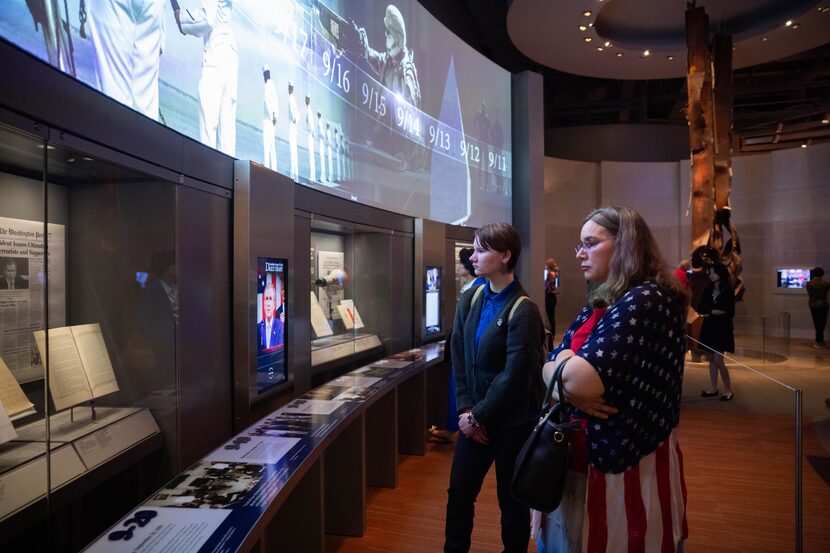
Brooks stated, “We still need to raise $14 million each year for our annual budget. Our endowment helps a great deal, but it doesn’t cover everything. We still need people to give.” These contributions are essential for maintaining the center’s operations and its mission to reflect the Bush presidency. The library features an interactive experience, including a replica of the Oval Office and exhibits commemorating significant events such as the September 11 terrorist attacks and Hurricane Katrina.
Impact and Legacy of Bush’s Initiatives
One of Bush’s most notable legacies, the PEPFAR initiative, aimed at combating the AIDS epidemic in Africa, underscores his impactful contributions to global health. Launched with an initial budget of $15 billion over five years, this initiative was described as “the largest international health initiative in history” and has since allocated over $125 billion to fight the disease. This endeavor earned Bush accolades from various quarters, illustrating his ability to cross political divides through humanitarian efforts.
In addition to these public service achievements, Bush has taken up painting, a pursuit that may surprise many. Brooks remarked, “Nobody would have thought that he would have become a painter. But he did. And he’s a darn good one.” As time progresses, this artistic endeavor may also become a notable aspect of Bush’s legacy.
Presidential libraries, through their multifaceted roles, continue to reflect not only the historical significance of the presidencies they commemorate but also the ongoing financial and philanthropic dynamics that sustain them. As these centers evolve, their impact on public memory, education, and political discourse remains profound.

Robinhood Stock Surges 2.5% in Early Trading on March 17

Israel Intensifies Strikes as Global Energy Crisis Looms

CALV Offers Class on Communication Skills for Real Estate Professionals

Historic Bideford Pub Reopens as The Patch Wine Bar & Kitchen

Oscar Night Celebrations: Winners, Guests, and Exclusive After-Parties

Samsung Galaxy Watch 9 Set for Larger Battery Boost, Report Reveals

Kibble vs. Fresh Dog Food: What’s Best for Your Dog’s Health?

Acclaimed San Francisco Pizzeria Del Popolo to Close in May

‘Invincible’ Season 4 Launches on Prime Video with Epic Action

ALMA Discovers Companion Orbiting Giant Red Star π 1 Gruis

Doctoral Candidate Trivanni Yadav Advances Battery Research at UTulsa

Global Air Forces Ranked by Annual Defense Budgets in 2025

Rev. Bry Shields to Retire as McGill-Toolen President in 2026

Mass Production of F-35 Fighter Jet Drives Down Costs

Tucson Celebrates Life and Remembrance at 36th Annual All Souls Procession

Gold Investment Surge: Top Mutual Funds and ETF Alternatives

DirecTV to Launch AI-Driven Ads with User Likenesses in 2026

Paul Giamatti Reveals Villainous Role in Star Trek: Starfleet Academy
-
 Science9 months ago
ALMA Discovers Companion Orbiting Giant Red Star π 1 Gruis
-
 Science8 months ago
Doctoral Candidate Trivanni Yadav Advances Battery Research at UTulsa
-
 World10 months ago
Global Air Forces Ranked by Annual Defense Budgets in 2025
-
 Lifestyle9 months ago
Rev. Bry Shields to Retire as McGill-Toolen President in 2026
-
 World10 months ago
Mass Production of F-35 Fighter Jet Drives Down Costs
-
 Lifestyle9 months ago
Tucson Celebrates Life and Remembrance at 36th Annual All Souls Procession
-
 Business10 months ago
Gold Investment Surge: Top Mutual Funds and ETF Alternatives
-
 Top Stories10 months ago
DirecTV to Launch AI-Driven Ads with User Likenesses in 2026
-
 Entertainment10 months ago
Paul Giamatti Reveals Villainous Role in Star Trek: Starfleet Academy
-

 Top Stories10 months ago
New ‘Star Trek: Voyager’ Game Demo Released, Players Test Limits
-

 Lifestyle7 months ago
Cape May Shines as New Jersey’s Only Entry on Beach Town List
-

 Lifestyle8 months ago
Maumee’s Shop With a Hero Event Delivers Joy to Local Children