
Science
Researchers Uncover Origins of THC, CBD, and CBC in Cannabis

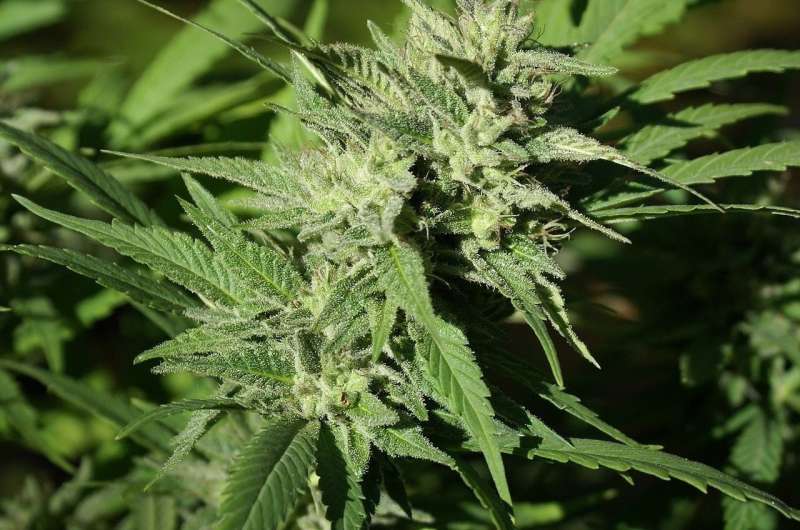
A groundbreaking study from Wageningen University & Research has revealed how cannabis acquired the ability to produce key cannabinoids, including THC, CBD, and CBC. Published on December 26, 2025, in the Plant Biotechnology Journal, this research not only sheds light on cannabis evolution but also opens doors for biotechnological advancements in cannabinoid production.
Reconstructing the Evolution of Cannabinoid Production
The research team successfully reconstructed extinct enzymes that existed millions of years ago in cannabis ancestors. These enzymes are crucial for the biosynthesis of cannabinoids—compounds with significant medicinal properties. The study highlights that modern cannabis plants rely on specialized enzymes for the production of these distinct bioactive compounds. However, the ancestral enzymes were capable of producing multiple cannabinoids simultaneously.
Utilizing a technique known as ancestral sequence reconstruction, the researchers inferred the structure of enzymes from ancient cannabis species based on the DNA of contemporary plants. They were able to resurrect these “ancestral enzymes” in a laboratory setting to conduct experimental tests, providing the first evidence that the cannabis plant’s ability to synthesize cannabinoids like THC evolved from a common ancestor.
Implications for Biotechnology and Medicine
The findings of the study not only enhance our understanding of cannabis evolution but also suggest innovative applications in biotechnology. The reconstructed ancestral enzymes proved easier to produce in microorganisms such as yeast, compared to their modern equivalents. This is particularly important as the demand for biotechnological methods of cannabinoid production increases.
Robin van Velzen, a researcher involved in the study, remarked, “What once seemed evolutionarily ‘unfinished’ turns out to be highly useful.” He and his colleague, Cloé Villard, found that these ancestral enzymes exhibit greater robustness and flexibility, making them promising candidates for new biotechnological and pharmaceutical applications.
One notable example is an evolutionary intermediate enzyme that specifically produces CBC, a cannabinoid known for its anti-inflammatory and analgesic properties. Currently, no cannabis plants possess a naturally high CBC content. Introducing this enzyme into cannabis plants could lead to the development of new medicinal varieties.
This significant research not only contributes to our understanding of cannabis evolution but also paves the way for future innovations in cannabinoid production, potentially enhancing therapeutic options for various medical conditions.
For further details, refer to the study by Cloé Villard et al titled “Resurrected Ancestral Cannabis Enzymes Unveil the Origin and Functional Evolution of Cannabinoid Synthases,” published in the Plant Biotechnology Journal.

Robinhood Stock Surges 2.5% in Early Trading on March 17

Israel Intensifies Strikes as Global Energy Crisis Looms

CALV Offers Class on Communication Skills for Real Estate Professionals

Historic Bideford Pub Reopens as The Patch Wine Bar & Kitchen

Oscar Night Celebrations: Winners, Guests, and Exclusive After-Parties

Samsung Galaxy Watch 9 Set for Larger Battery Boost, Report Reveals

Kibble vs. Fresh Dog Food: What’s Best for Your Dog’s Health?

Acclaimed San Francisco Pizzeria Del Popolo to Close in May

‘Invincible’ Season 4 Launches on Prime Video with Epic Action

ALMA Discovers Companion Orbiting Giant Red Star π 1 Gruis

Doctoral Candidate Trivanni Yadav Advances Battery Research at UTulsa

Global Air Forces Ranked by Annual Defense Budgets in 2025

Rev. Bry Shields to Retire as McGill-Toolen President in 2026

Mass Production of F-35 Fighter Jet Drives Down Costs

Tucson Celebrates Life and Remembrance at 36th Annual All Souls Procession

Gold Investment Surge: Top Mutual Funds and ETF Alternatives

DirecTV to Launch AI-Driven Ads with User Likenesses in 2026

Paul Giamatti Reveals Villainous Role in Star Trek: Starfleet Academy
-
 Science9 months ago
ALMA Discovers Companion Orbiting Giant Red Star π 1 Gruis
-
 Science8 months ago
Doctoral Candidate Trivanni Yadav Advances Battery Research at UTulsa
-
 World10 months ago
Global Air Forces Ranked by Annual Defense Budgets in 2025
-
 Lifestyle10 months ago
Rev. Bry Shields to Retire as McGill-Toolen President in 2026
-
 World10 months ago
Mass Production of F-35 Fighter Jet Drives Down Costs
-
 Lifestyle9 months ago
Tucson Celebrates Life and Remembrance at 36th Annual All Souls Procession
-
 Business10 months ago
Gold Investment Surge: Top Mutual Funds and ETF Alternatives
-
 Top Stories10 months ago
DirecTV to Launch AI-Driven Ads with User Likenesses in 2026
-
 Entertainment10 months ago
Paul Giamatti Reveals Villainous Role in Star Trek: Starfleet Academy
-

 Lifestyle8 months ago
Maumee’s Shop With a Hero Event Delivers Joy to Local Children
-

 Top Stories10 months ago
New ‘Star Trek: Voyager’ Game Demo Released, Players Test Limits
-

 Lifestyle8 months ago
Cape May Shines as New Jersey’s Only Entry on Beach Town List