
Science
Trump Announces Controversial Oil Blockade Against Venezuela

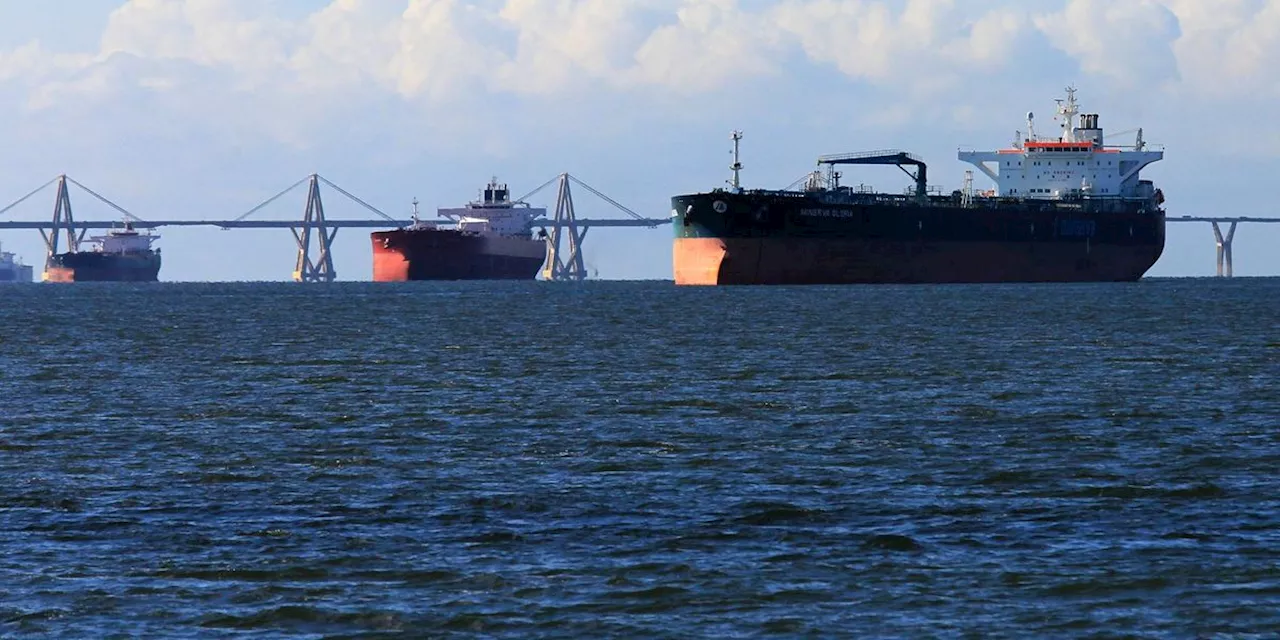
On December 16, 2025, President Donald Trump declared a “total and complete blockade” of oil tankers entering or leaving Venezuela. This announcement, made via his personal media platform, suggested a significant escalation in U.S. foreign policy toward Venezuela. Trump described the situation as having “the largest Armada ever assembled in the History of South America” surrounding Venezuela, asserting that the blockade would persist until all Venezuelan “oil, land, and other assets” were returned to the United States. However, this action raises serious constitutional questions regarding the limits of executive power.
The blockade, which is now operational, raises alarms about its legality under U.S. law. It challenges the War Powers Resolution, a 1973 congressional statute designed to restrict unilateral military actions by the President. Traditionally, previous administrations have relied on sanctions and diplomatic pressure to address foreign resource disputes, but Trump’s blockade marks a shift towards coercive military tactics.
Constitutional Concerns Over the Blockade
Under Article I of the U.S. Constitution, the authority to declare war lies solely with Congress. Although Article II grants the President the role of Commander-in-Chief, it does not allow for prolonged military actions without congressional approval. The War Powers Resolution mandates that any military engagement likely to lead to hostilities requires legislative consent. Trump’s blockade, therefore, represents a significant deviation from this constitutional framework.
A naval blockade is recognized as a use of force under both domestic and international law. It is inherently confrontational, as it involves controlling international waters and restricting access to a sovereign state’s maritime commerce. The blockade’s classification as a military action further complicates its legal standing, as it is not merely a diplomatic maneuver but a constitutional violation in progress.
Questionable Justifications and Historical Context
Trump’s justification for the blockade hinges on the claim that Venezuela “stole” American oil. This assertion lacks historical and legal foundation. Venezuela nationalized its oil sector in 1976 with the establishment of Petróleos de Venezuela, S.A.. Following nationalization, foreign companies, including U.S. corporations like ExxonMobil and ConocoPhillips, operated under negotiated agreements. In the early 2000s, Venezuela transitioned foreign-controlled projects into joint ventures, ensuring state majority ownership. These actions were legitimate sovereign decisions, not acts of piracy.
Disputes arising from these actions were historically resolved through arbitration and negotiation rather than force. The United States has previously handled resource disputes in Latin America through sanctions and diplomatic means, never resorting to military blockades or coercion. The current military escalation in Venezuela not only represents a break from historical precedent but also poses risks to international stability.
Sanctions have been a primary tool for the U.S. government, but they do not authorize military force against foreign-flagged vessels in international waters. While some tanker seizures have been justified under civil forfeiture statutes, the transition to an official blockade marks a dangerous escalation into armed coercion. This situation poses a constitutional crisis that demands attention.
The indefinite nature of the blockade, its announced expansion, and its connection to political demands for asset returns further exceed the legal boundaries established by the War Powers Resolution. Emergency military deployments must conclude within 60 days unless Congress grants approval, which Trump’s blockade clearly violates.
A Call for Legislative Action
If a President can impose a naval blockade without congressional approval based on economic or political grievances, it undermines the separation of powers. Today’s focus is on Venezuela, but this precedent could extend to any state where American interests are perceived to be threatened. Moreover, framing disputes as theft could set a disturbing precedent for military action based on private claims.
It is not too late for Congress to reclaim its constitutional authority. Legislative measures such as House Concurrent Resolution 64 or emergency oversight hearings can reinforce the War Powers Resolution and prevent unauthorized military actions. The executive branch must revert to lawful enforcement methods, relying on civil forfeiture, targeted sanctions, and international arbitration rather than coercive military operations.
Restoring diplomatic engagement is crucial. Disputes regarding Venezuela’s resource management should be settled through negotiation and established international claims processes, not unilateral military actions.
The blockade may be perceived as a show of strength, but it threatens to erode legal norms, historical precedent, and constitutional governance. When the executive branch can initiate a blockade without legislative oversight, it signals a shift away from the rule of law toward autocracy. Congress, the courts, and the public must ensure that power is exercised within legal boundaries, emphasizing the need for a robust system of checks and balances. The implications of this blockade extend far beyond Venezuela, impacting the very fabric of American democracy.

Robinhood Stock Surges 2.5% in Early Trading on March 17

Israel Intensifies Strikes as Global Energy Crisis Looms

CALV Offers Class on Communication Skills for Real Estate Professionals

Historic Bideford Pub Reopens as The Patch Wine Bar & Kitchen

Oscar Night Celebrations: Winners, Guests, and Exclusive After-Parties

Samsung Galaxy Watch 9 Set for Larger Battery Boost, Report Reveals

Kibble vs. Fresh Dog Food: What’s Best for Your Dog’s Health?

Acclaimed San Francisco Pizzeria Del Popolo to Close in May

‘Invincible’ Season 4 Launches on Prime Video with Epic Action

ALMA Discovers Companion Orbiting Giant Red Star π 1 Gruis

Doctoral Candidate Trivanni Yadav Advances Battery Research at UTulsa

Global Air Forces Ranked by Annual Defense Budgets in 2025

Rev. Bry Shields to Retire as McGill-Toolen President in 2026

Mass Production of F-35 Fighter Jet Drives Down Costs

Tucson Celebrates Life and Remembrance at 36th Annual All Souls Procession

Gold Investment Surge: Top Mutual Funds and ETF Alternatives

DirecTV to Launch AI-Driven Ads with User Likenesses in 2026

Paul Giamatti Reveals Villainous Role in Star Trek: Starfleet Academy
-
 Science9 months ago
ALMA Discovers Companion Orbiting Giant Red Star π 1 Gruis
-
 Science8 months ago
Doctoral Candidate Trivanni Yadav Advances Battery Research at UTulsa
-
 World10 months ago
Global Air Forces Ranked by Annual Defense Budgets in 2025
-
 Lifestyle10 months ago
Rev. Bry Shields to Retire as McGill-Toolen President in 2026
-
 World10 months ago
Mass Production of F-35 Fighter Jet Drives Down Costs
-
 Lifestyle9 months ago
Tucson Celebrates Life and Remembrance at 36th Annual All Souls Procession
-
 Business10 months ago
Gold Investment Surge: Top Mutual Funds and ETF Alternatives
-
 Top Stories10 months ago
DirecTV to Launch AI-Driven Ads with User Likenesses in 2026
-
 Entertainment10 months ago
Paul Giamatti Reveals Villainous Role in Star Trek: Starfleet Academy
-

 Lifestyle8 months ago
Maumee’s Shop With a Hero Event Delivers Joy to Local Children
-

 Top Stories10 months ago
New ‘Star Trek: Voyager’ Game Demo Released, Players Test Limits
-

 Lifestyle8 months ago
Cape May Shines as New Jersey’s Only Entry on Beach Town List