
World
Private Jet Pilots’ Salaries Soar: What to Expect in 2026

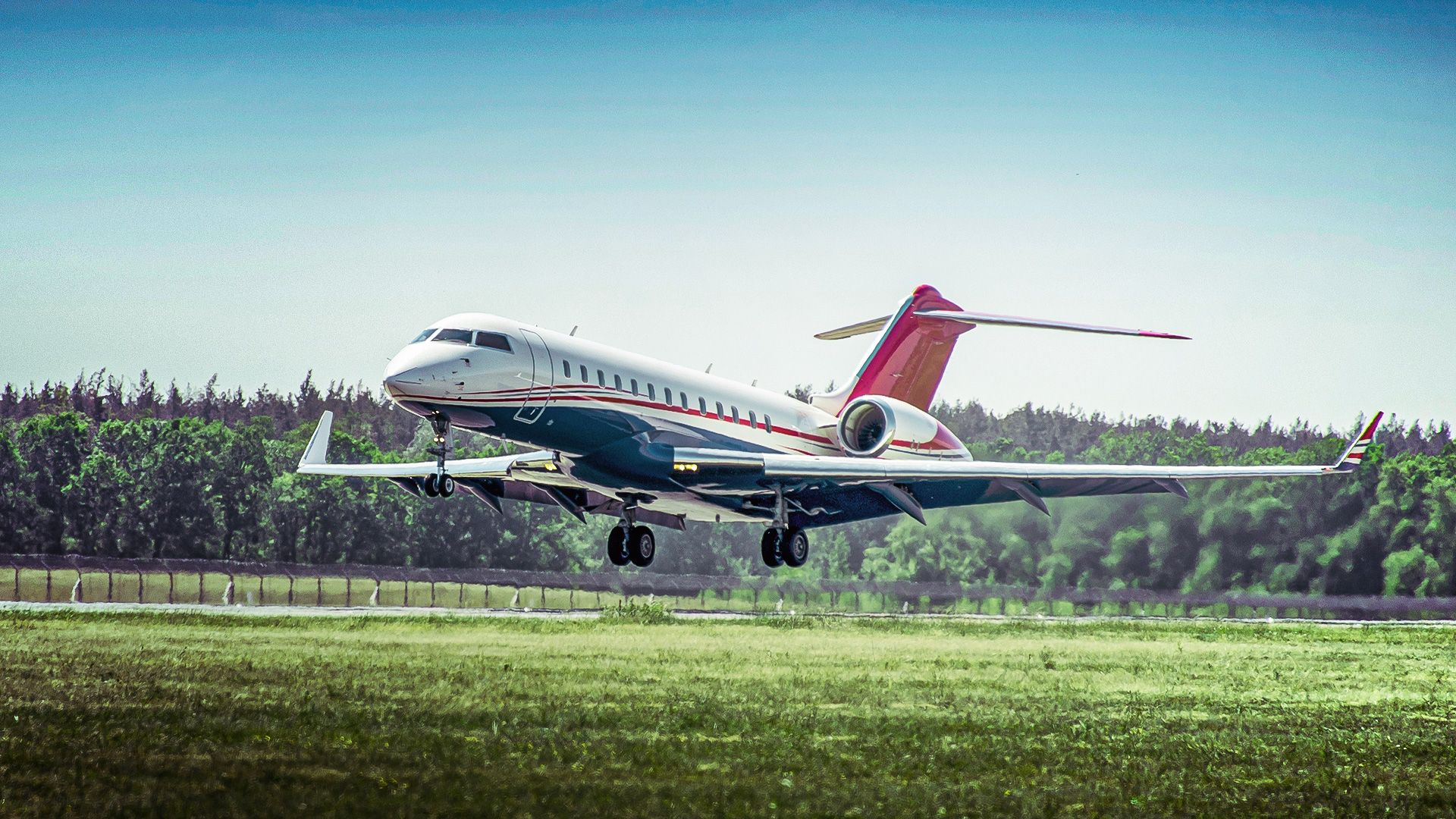
The demand for private jet pilots is expected to rise significantly in the coming years, with salaries projected to reach new heights by 2026. As the aviation industry evolves, private aviation offers lucrative career opportunities for pilots, combining competitive pay with unique work environments. This shift highlights the growing importance of private aviation in a post-pandemic world.
The aviation career path typically begins with obtaining a Private Pilot’s License (PPL), which allows individuals to fly recreationally. From there, aspiring pilots pursue a Commercial Pilot’s License (CPL), enabling them to be compensated for their flying skills. To qualify for most private aviation jobs, pilots must also acquire an Instrument Rating (IR) and a multi-engine rating. These credentials ensure that pilots can handle a variety of aircraft and operate safely in various weather conditions.
The journey to becoming a private jet pilot can be costly. Training for a PPL generally ranges from $15,000 to $30,000, while obtaining a CPL can cost between $30,000 and $45,000. Additional training for an IR and multi-engine rating can exceed $10,000 each. Given the competitive nature of the industry, many pilots build their experience through flight instructing or other flying jobs before seeking positions in private aviation.
Types of Private Jet Operators
Private jets can be owned by individuals or operated by corporate entities. Most corporate pilots work for charter or fractional companies, which adhere to FAA Part 135 regulations. These companies operate similarly to airlines, with structured pilot groups and defined seniority systems. Seniority affects pay, schedules, and aircraft assignments, making it crucial for pilots to understand their position within the organization.
Most operators require pilots to have at least 1,500 hours of flight experience or to be ATP qualified, which means they have met the requirements to work for airlines. Pay structures vary widely in private aviation, with some companies offering yearly salaries, while others pay by the day. Per diem rates also differ, with airlines typically compensating hourly, whereas some private jet operators pay daily.
Data from AirlinePilotCentral reveals the starting and top pay rates for several private jet operators:
– **NetJets**: Starting at $65,283 per year for a First Officer in year one, with top pay reaching $293,960 for a Captain in year 17.
– **Wheels Up**: First Officers earn $70,000 in their first year, with the highest pay for a Captain at $357,285 after 30 years.
– **Flexjet**: Offers a daily rate of $513 for First Officers in their first year, with a top Captain earning $1,276 per day.
– **JSX**: Pays $160 daily for First Officers in their first year, with a Captain making $822 per day after ten years.
Scheduling and Job Stability
Unlike airline pilots who typically bid for monthly schedules, private jet pilots face more variability in their work hours. Companies such as Wheels Up provide structured rosters, such as eight days on and six days off, while JSX ensures line-holding pilots have a minimum of 14 days off each month. NetJets offers a range of working schedules, including options for seven days on and seven days off, or up to 19 days worked in a month.
Despite the allure of private aviation, job stability is often less secure compared to major airlines. While airlines have established unionized pilot groups that provide a safety net during downturns, private aviation lacks this level of security. Pilots in this sector may experience unpredictable trip assignments, similar to reserve schedules in airlines. However, the potential for high earnings exists, with some private pilots reportedly earning between $300,000 and $500,000 annually, especially when flying for high-profile individuals.
The aviation industry has seen significant changes in recent years, with companies responding to a pilot shortage by improving salaries and working conditions. As a result, the prospect of becoming a pilot—whether for commercial airlines or private jets—has never been more promising. The landscape in 2026 indicates a continued upward trend in salaries and opportunities, appealing to both new entrants and seasoned professionals in the aviation field.
For those considering a career in private aviation, the combination of competitive pay, unique work environments, and the potential for substantial earnings makes this an appealing option. With the right qualifications, a commitment to gaining experience, and an understanding of the industry’s dynamics, aspiring pilots can look forward to a rewarding career ahead.

Robinhood Stock Surges 2.5% in Early Trading on March 17

Israel Intensifies Strikes as Global Energy Crisis Looms

CALV Offers Class on Communication Skills for Real Estate Professionals

Historic Bideford Pub Reopens as The Patch Wine Bar & Kitchen

Oscar Night Celebrations: Winners, Guests, and Exclusive After-Parties

Samsung Galaxy Watch 9 Set for Larger Battery Boost, Report Reveals

Kibble vs. Fresh Dog Food: What’s Best for Your Dog’s Health?

Acclaimed San Francisco Pizzeria Del Popolo to Close in May

‘Invincible’ Season 4 Launches on Prime Video with Epic Action

ALMA Discovers Companion Orbiting Giant Red Star π 1 Gruis

Doctoral Candidate Trivanni Yadav Advances Battery Research at UTulsa

Global Air Forces Ranked by Annual Defense Budgets in 2025

Rev. Bry Shields to Retire as McGill-Toolen President in 2026

Mass Production of F-35 Fighter Jet Drives Down Costs

Tucson Celebrates Life and Remembrance at 36th Annual All Souls Procession

DirecTV to Launch AI-Driven Ads with User Likenesses in 2026

Gold Investment Surge: Top Mutual Funds and ETF Alternatives

Paul Giamatti Reveals Villainous Role in Star Trek: Starfleet Academy
-
 Science9 months ago
ALMA Discovers Companion Orbiting Giant Red Star π 1 Gruis
-
 Science8 months ago
Doctoral Candidate Trivanni Yadav Advances Battery Research at UTulsa
-
 World10 months ago
Global Air Forces Ranked by Annual Defense Budgets in 2025
-
 Lifestyle9 months ago
Rev. Bry Shields to Retire as McGill-Toolen President in 2026
-
 World10 months ago
Mass Production of F-35 Fighter Jet Drives Down Costs
-
 Lifestyle9 months ago
Tucson Celebrates Life and Remembrance at 36th Annual All Souls Procession
-
 Top Stories10 months ago
DirecTV to Launch AI-Driven Ads with User Likenesses in 2026
-
 Business10 months ago
Gold Investment Surge: Top Mutual Funds and ETF Alternatives
-
 Entertainment10 months ago
Paul Giamatti Reveals Villainous Role in Star Trek: Starfleet Academy
-

 Top Stories10 months ago
New ‘Star Trek: Voyager’ Game Demo Released, Players Test Limits
-

 Lifestyle8 months ago
Maumee’s Shop With a Hero Event Delivers Joy to Local Children
-

 Lifestyle7 months ago
Cape May Shines as New Jersey’s Only Entry on Beach Town List